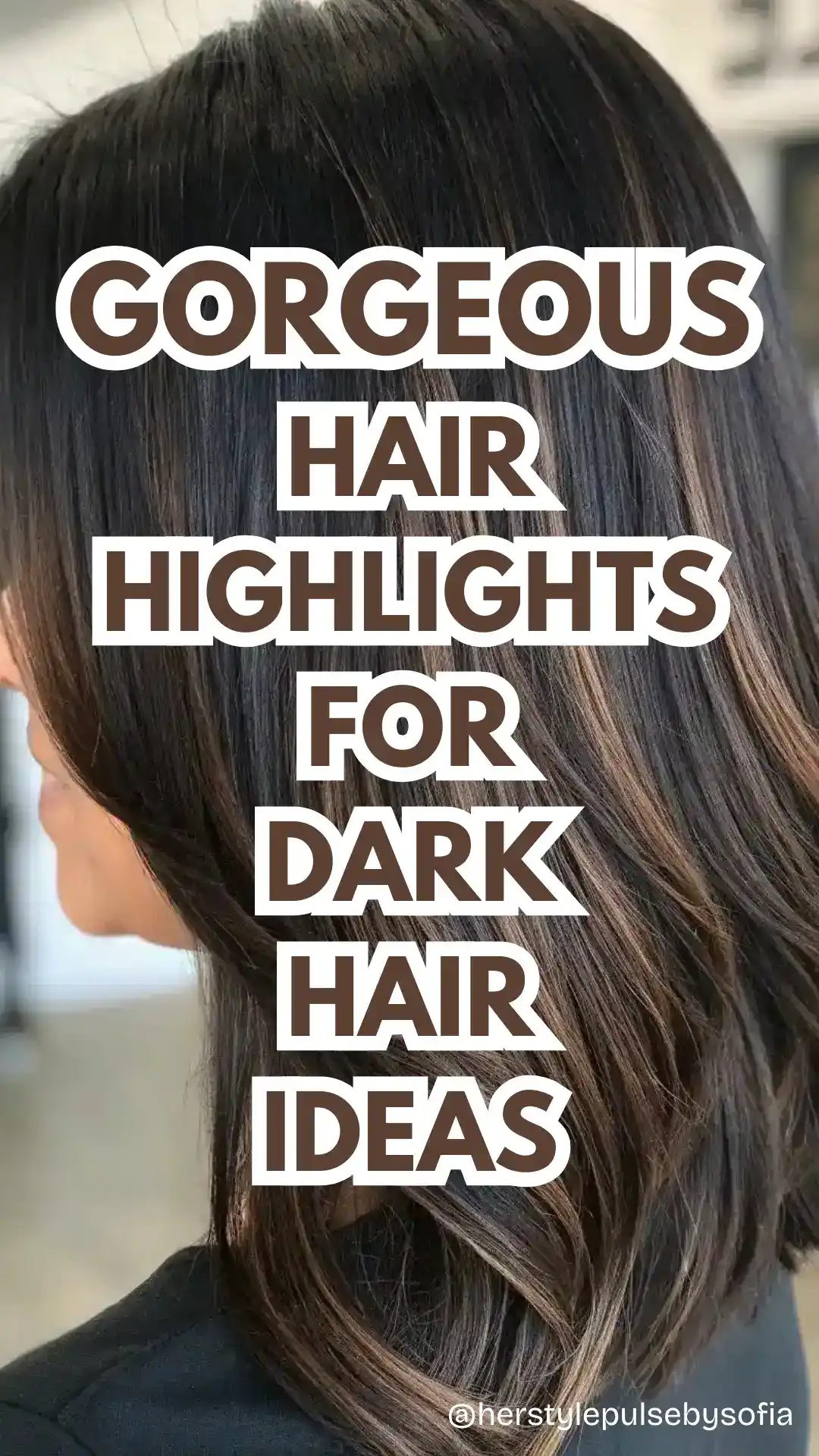
Your dark hair is begging for these highlights that actually show up. Melted caramel balayage that grows out invisible for 12 weeks, chocolate lowlights that make black hair look twice as thick, blonde money pieces that brighten your face faster than makeup, smoky ash ribbons for cool skin.
Fiery red streaks that pop on melanin, hidden violet flashes that catch only club lights, and honey-gold babylights that photograph expensive in any season. From subtle dimension to full drama, pick one and walk out with the richest, most head-turning dark hair on earth.
Hair Highlights For Dark Hair So Fire People Will Swear Bollywood’s Top Colorist Did Them
Let me break down the most stunning highlight options I’ve seen working magic on dark hair. Each of these techniques brings something different to the table, and honestly, they’re all chef’s kiss.
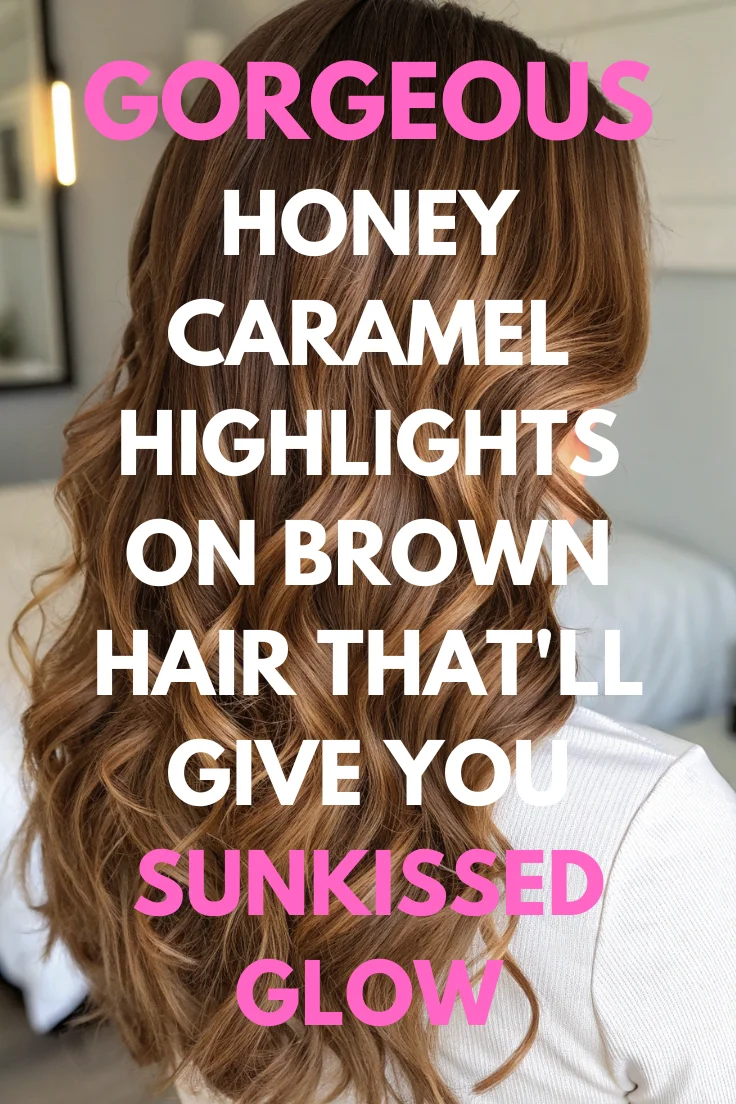
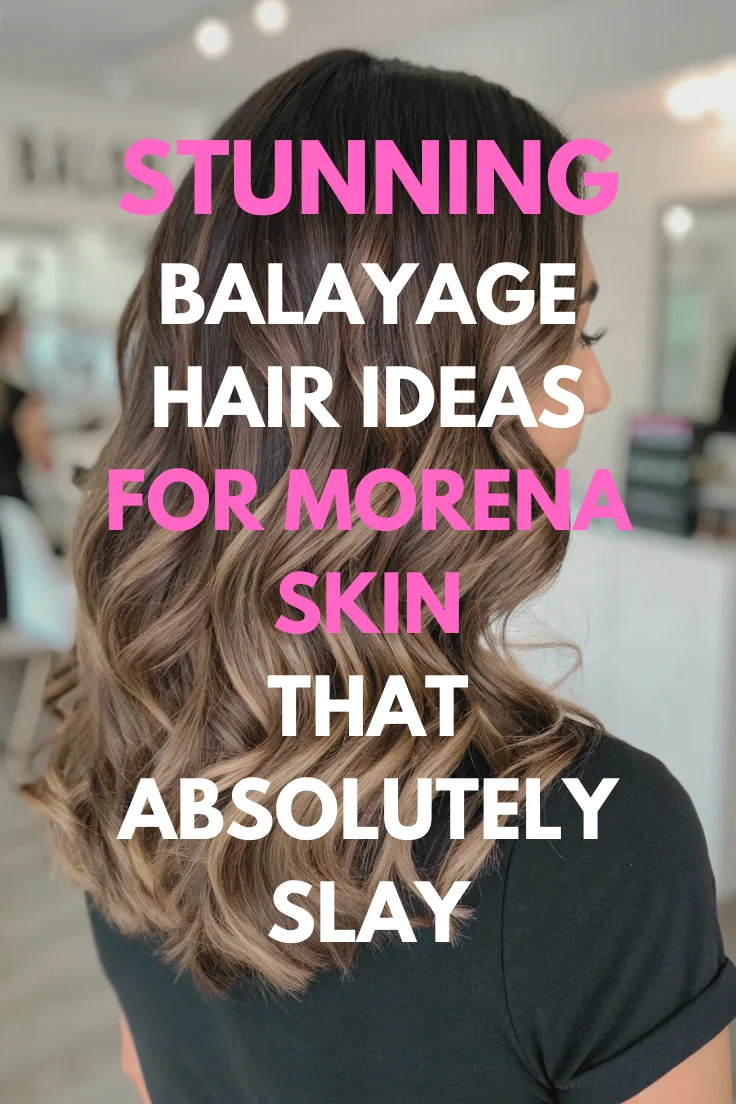
1. Caramel Balayage
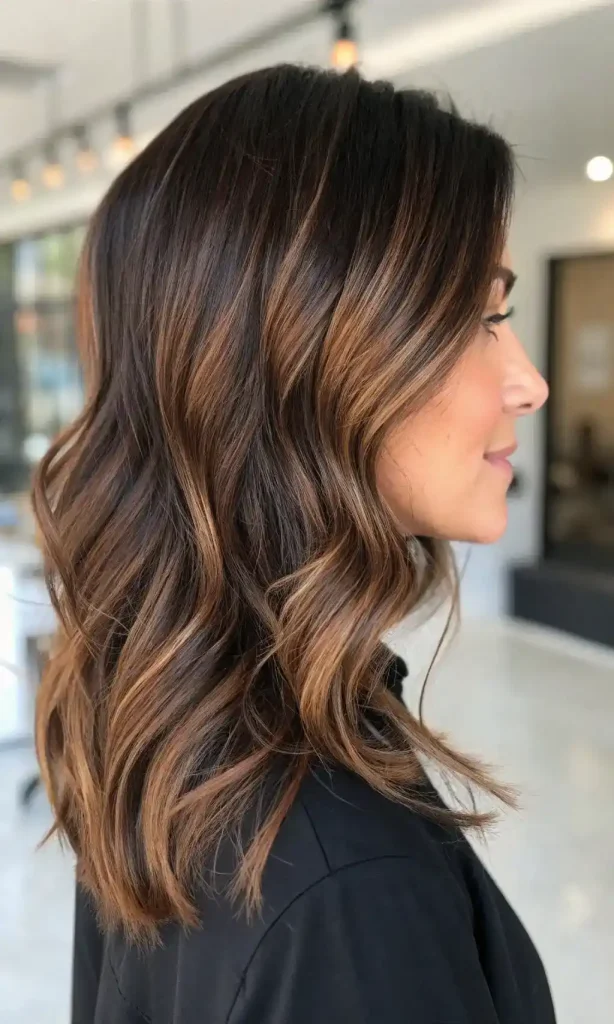
This is the “I woke up like this but actually spent three hours at the salon” look that never gets old. Caramel balayage on dark hair creates this gorgeous sun-kissed effect that looks effortlessly expensive. The hand-painted technique means your colorist strategically places warmer tones through your mid-lengths and ends, creating natural-looking dimension that grows out beautifully.
Why it works for you:
- Face shapes: Literally flatters everyone, but especially amazing on round and heart-shaped faces because the lighter pieces around your face create subtle contouring
- Best occasions: Perfect for that “polished but not trying too hard” vibe—think brunch dates, work presentations, or literally just existing
- Styling tip: Use a 1.25-inch curling wand to create loose waves that show off those caramel ribbons. The movement makes the color pop even more
Maintenance level: Low to medium—you can stretch appointments to 10-12 weeks because balayage is designed to grow out seamlessly.
2. Chocolate Lowlights
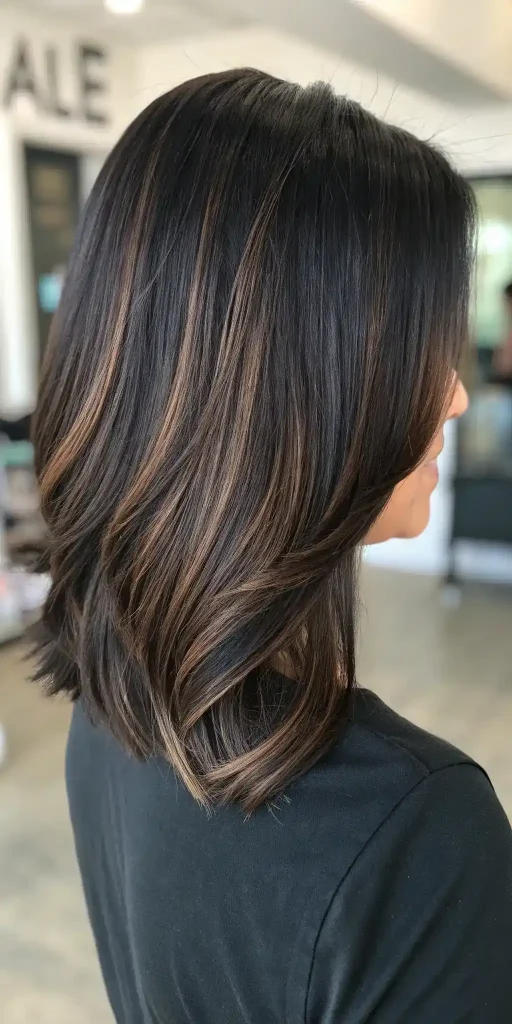
Plot twist: sometimes going slightly darker in strategic places creates more dimension than going lighter. Chocolate brown lowlights add depth and richness to black hair, making it look thicker and more multidimensional. This technique is clutch for anyone who wants movement without committing to lighter shades.
The breakdown:
- Works exceptionally well on naturally black hair that can look flat under certain lighting
- Creates a subtle shadow effect that makes your hair look fuller
- Perfect for winter when you want that cozy, rich aesthetic
- Pair with a deep side part to really showcase the dimensional tones
Pro styling move: Apply a glossing treatment every few weeks to keep those chocolate tones looking rich and prevent any brassiness.
3. Blonde Face-Framing
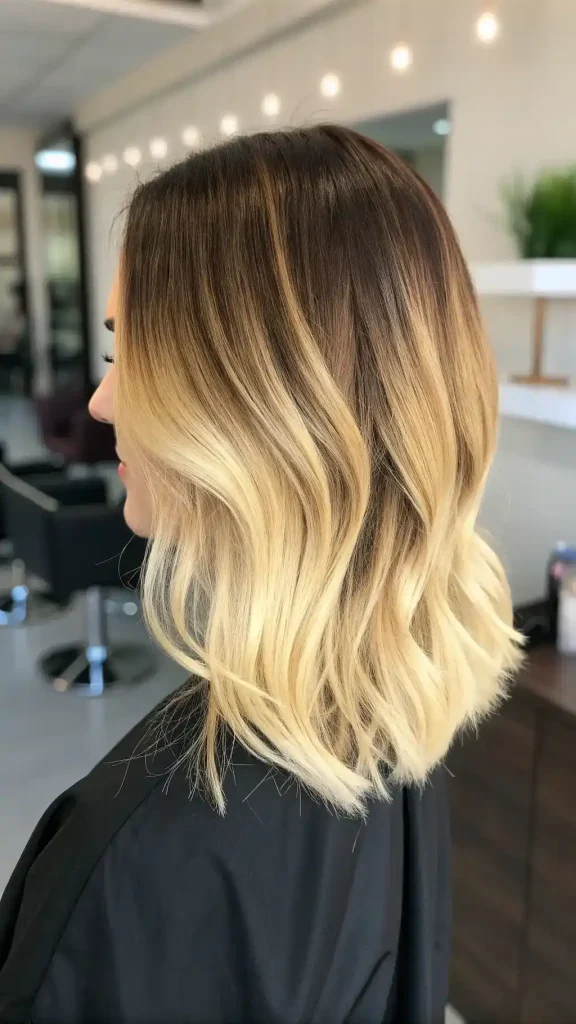
This is the high-impact, low-commitment move that I’m seeing everywhere. Instead of highlighting your entire head, your colorist concentrates blonde pieces around your face, creating an instant brightening effect that’s basically a filter IRL. Money pieces, babylights around the hairline—whatever you want to call them, they work.
| Feature | Details |
|---|---|
| Ideal for | Dark brown or black hair wanting a bold contrast |
| Maintenance | High—roots show faster with face-framing |
| Best face shape | Oval and long faces get maximum impact |
| Outfit pairing | Goes hard with gold jewelry and warm-toned clothing |
Insider tip: Ask your stylist to keep the blonde pieces thin and feathered rather than chunky blocks. It looks more modern and grows out better.
4. Ash Brown
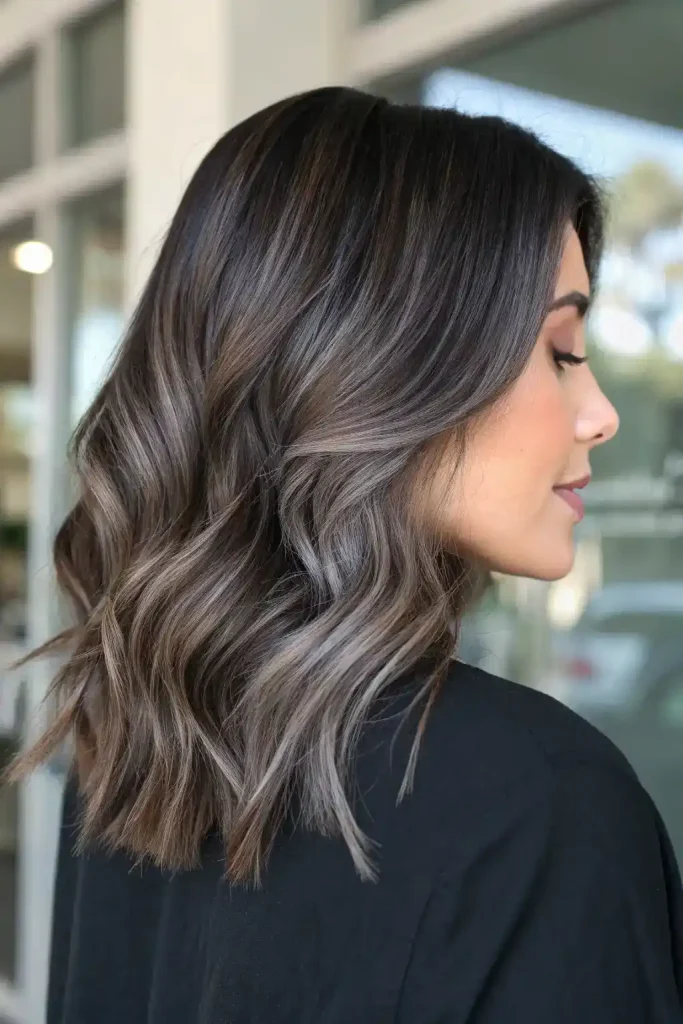
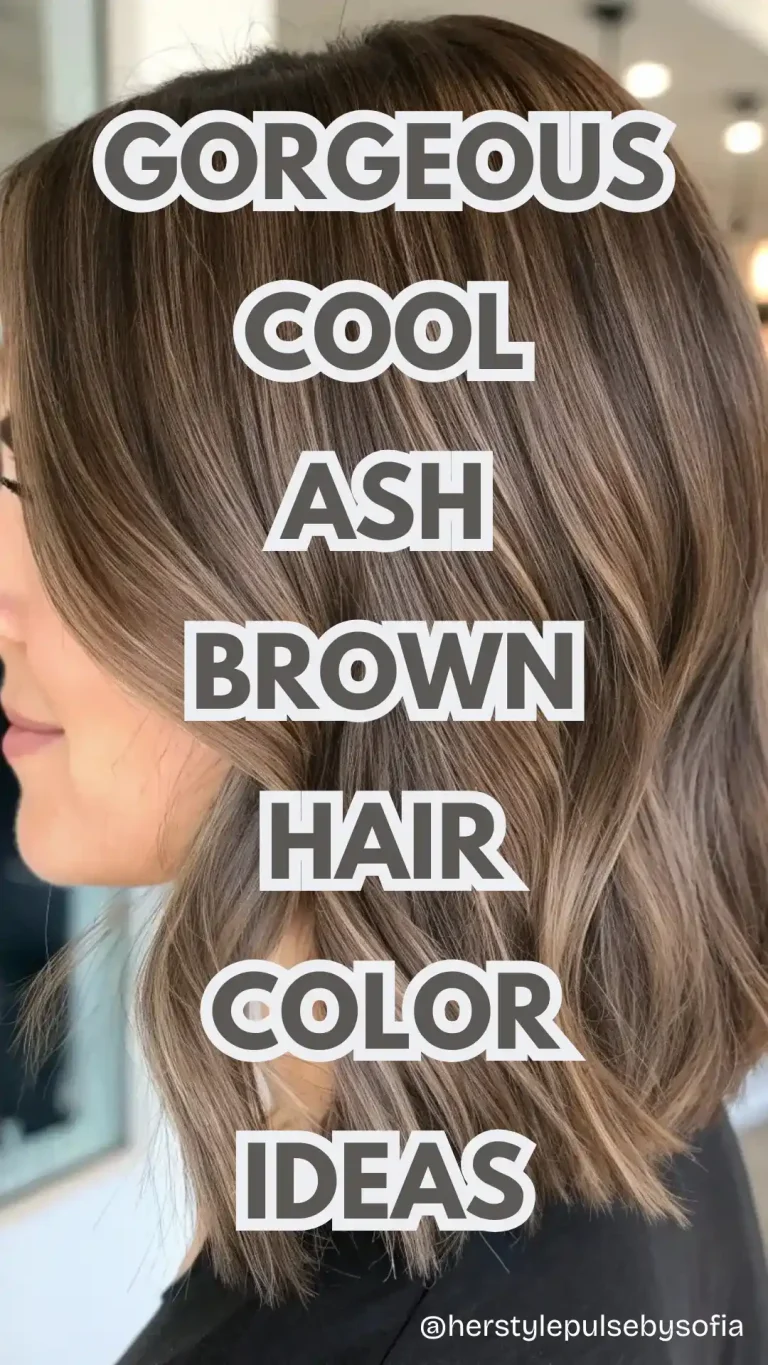
If you’re tired of warm tones or have cool-toned skin that looks washed out by caramel shades, ash brown highlights are your best friend. This cooler-toned brown creates a sophisticated, almost smoky effect on dark hair. It’s giving expensive, it’s giving editorial, it’s giving “I have my life together even though I definitely don’t.”
What makes it special:
- Neutralizes any unwanted red or orange undertones in dark hair
- Looks incredible on cool-toned and neutral skin tones
- Perfect for creating that lived-in, European hair aesthetic
- Works beautifully on both straight and curly hair textures
Style consideration: Ash tones can fade to a slightly greenish hue if you’re not careful. Invest in a purple shampoo specifically designed for brunettes (yes, they exist) to maintain that cool tone.
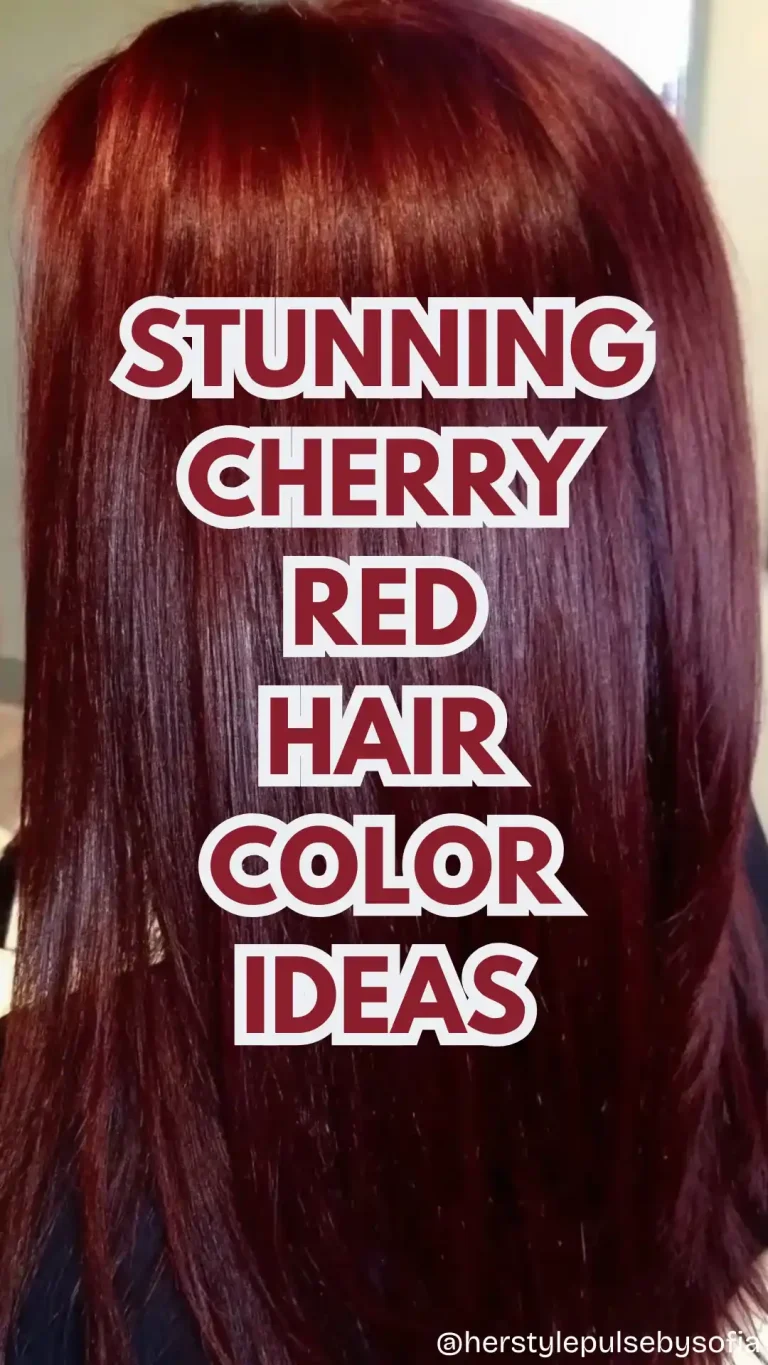
5. Red Highlights
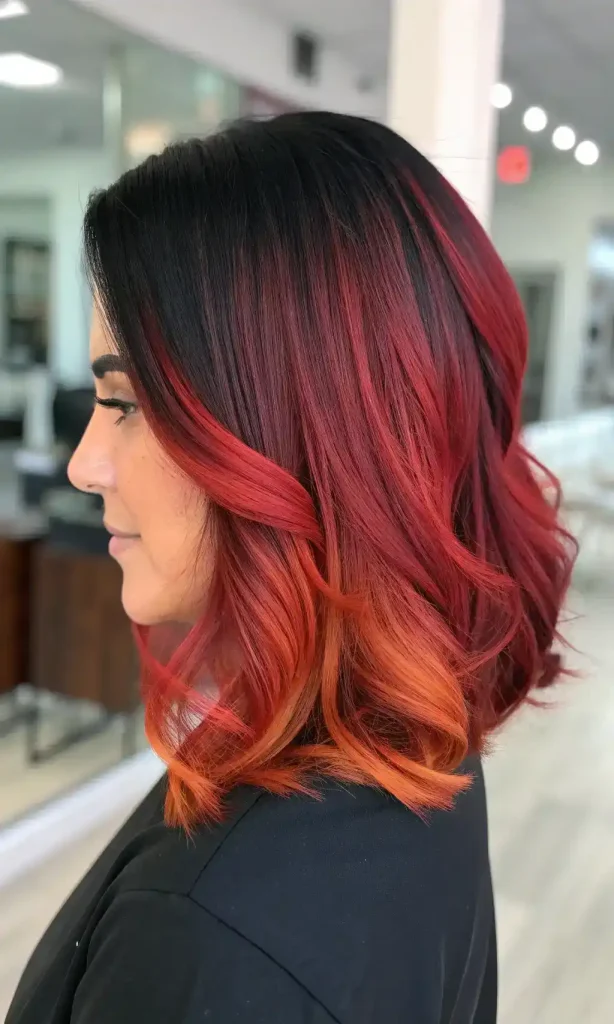
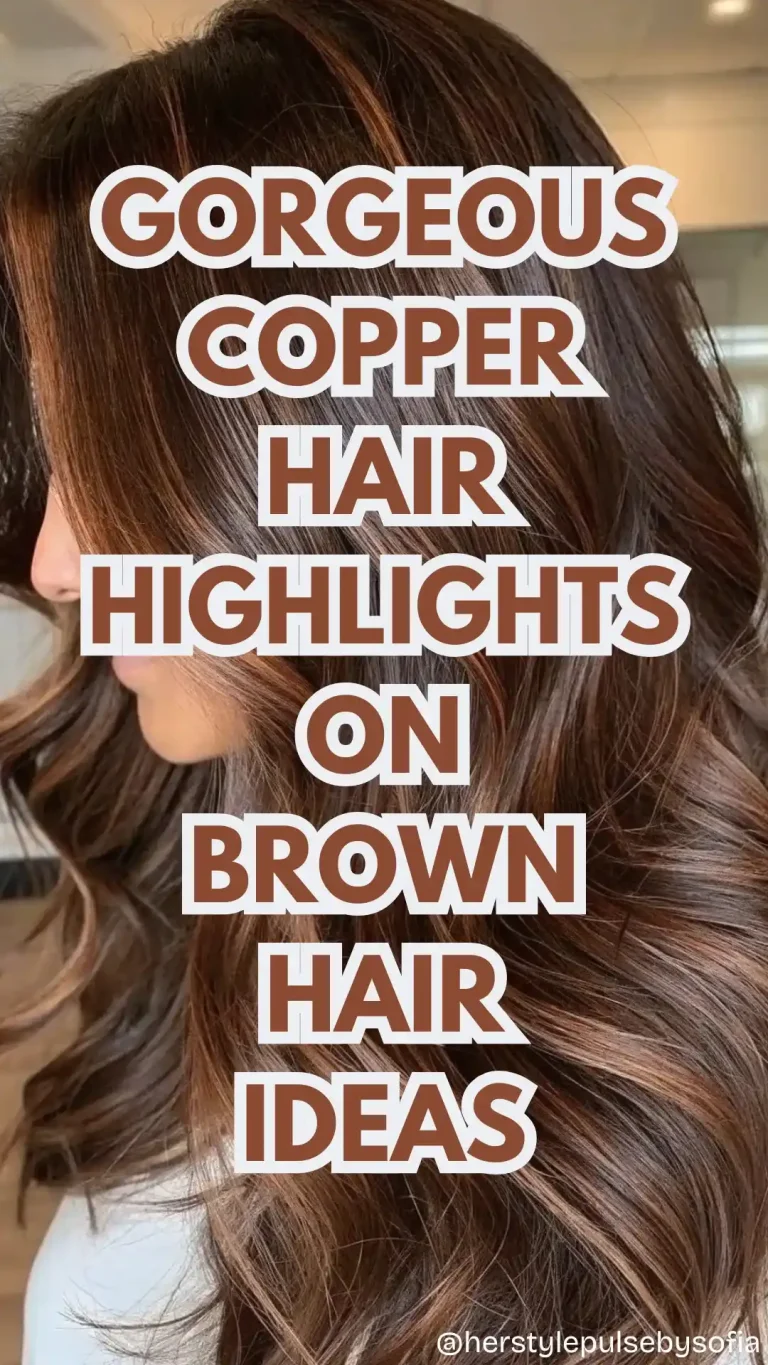
Listen, if you want to serve drama without going full fantasy color, red highlights on dark hair is the move. We’re talking auburn ribbons, cherry undertones, or even burgundy pieces woven through black or brown hair. It’s warm, it’s rich, and it photographs like absolute fire.
Perfect for:
- Brown skin tones—the warmth complements melanin beautifully
- Anyone wanting a change that’s noticeable but still office-appropriate
- Fall and winter vibes when you want that cozy aesthetic
- Creating depth in curly hair where texture already adds dimension
Styling hack: Red tones fade faster than other colors, so use color-depositing conditioners between salon visits. A little maintenance keeps these highlights looking vibrant instead of brassy.
6. Purple Highlights
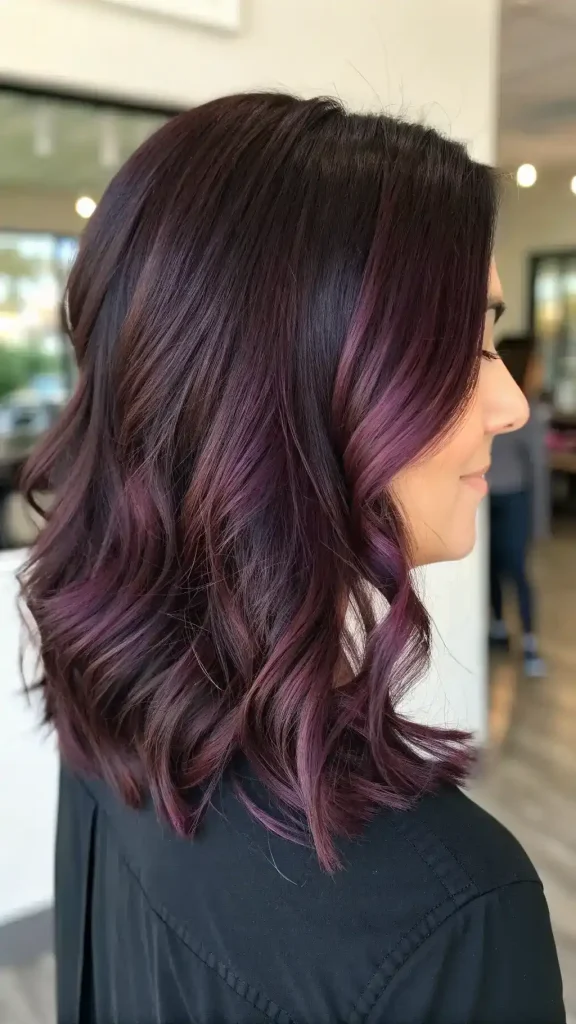
Okay, hear me out—purple on dark hair is not as wild as it sounds. When done subtly, like deep violet lowlights or plum-toned babylights, it creates this mysterious, almost iridescent effect that only shows up in certain lighting. It’s unexpected and unique without being costume-y.
- Looks stunning on black hair especially, creating a cool-toned contrast
- Perfect for brunettes who want something different but not too permanent
- The color shows up more vibrantly on straight hair but creates gorgeous depth in curls
- Ideal for creative industries or anyone who just wants to feel like the main character
Face shape tip: Concentrate purple pieces toward the ends if you have a square face—it draws the eye downward and softens angular features.
7. Blue Undertones
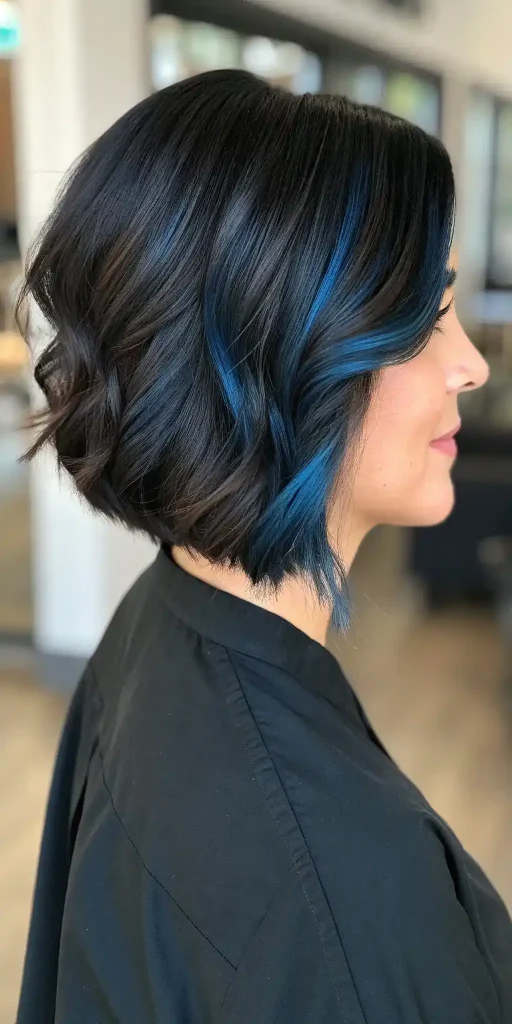
This is the “if you know, you know” highlight technique. Blue-black or navy highlights on dark hair create subtle dimension that’s almost hidden until the light hits just right. It’s particularly stunning on jet black hair where you want movement without traditional warm highlights.
The vibe:
- Ultra-modern and fashion-forward
- Looks incredible under club lights or evening settings (just saying)
- Best suited for cool skin tones
- Works beautifully with blunt cuts like bobs or lobs
Maintenance reality: Blue fades to greenish tones eventually, so this requires commitment to color-safe products and regular toning appointments.
8. Honey Blonde
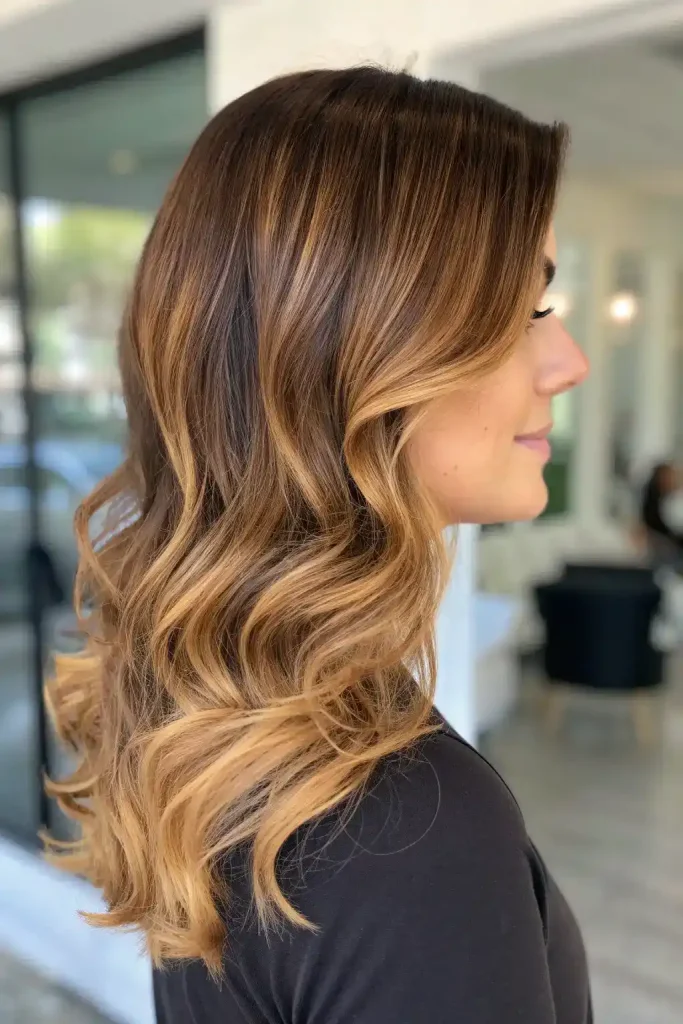
Warmer and richer than platinum but lighter than caramel, honey blonde highlights create this gorgeous golden effect on dark hair. It’s particularly stunning for summer when you want that beachy, sun-kissed look. The golden undertones complement brown skin beautifully and add serious warmth to your overall look.
Strategic placement:
- Ask for thicker highlights if you have curly hair—they’ll peek through the texture better
- Keep them concentrated on the top layers for maximum impact
- Perfect for medium to long hair where you have length to showcase the color transition
Outfit coordination: Honey blonde looks chef’s kiss with earth tones—think terracotta, olive green, and warm neutrals.
9. Pink Highlights
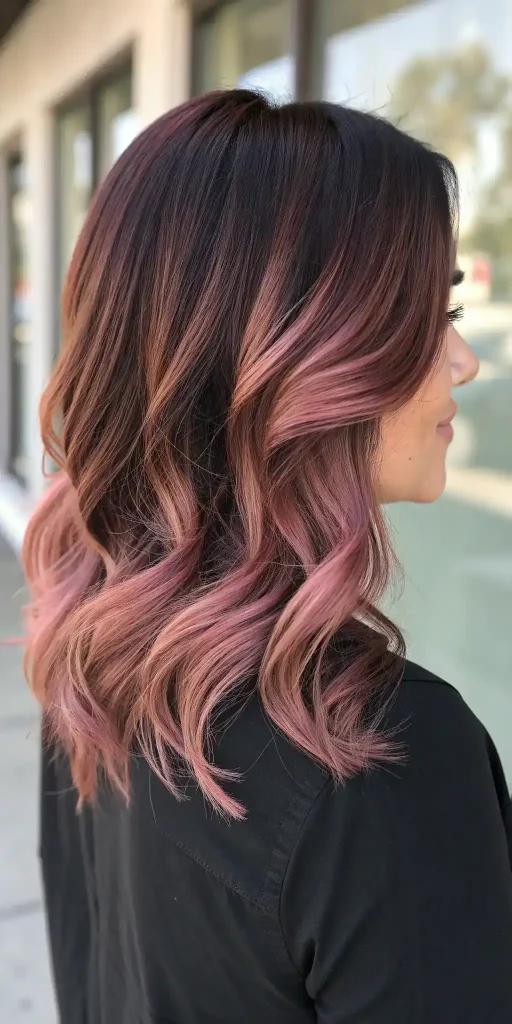
Rose gold, dusty pink, or even hot pink if you’re feeling bold—pink highlights on dark hair create such a cool contrast. The darker base makes the pink pop without needing to bleach your entire head to oblivion. It’s playful, it’s trendy, and honestly, life’s too short for boring hair.
- Best on short hair (think bobs or pixie cuts) where the color placement is more visible
- Looks particularly stunning as peek-a-boo highlights underneath darker top layers
- Creates amazing dimension in straight hair
- Perfect for anyone with a bold personal style
Real talk: Pink fades to peachy tones, so you’ll need to refresh color more frequently than natural shades.
10. Subtle Babylights
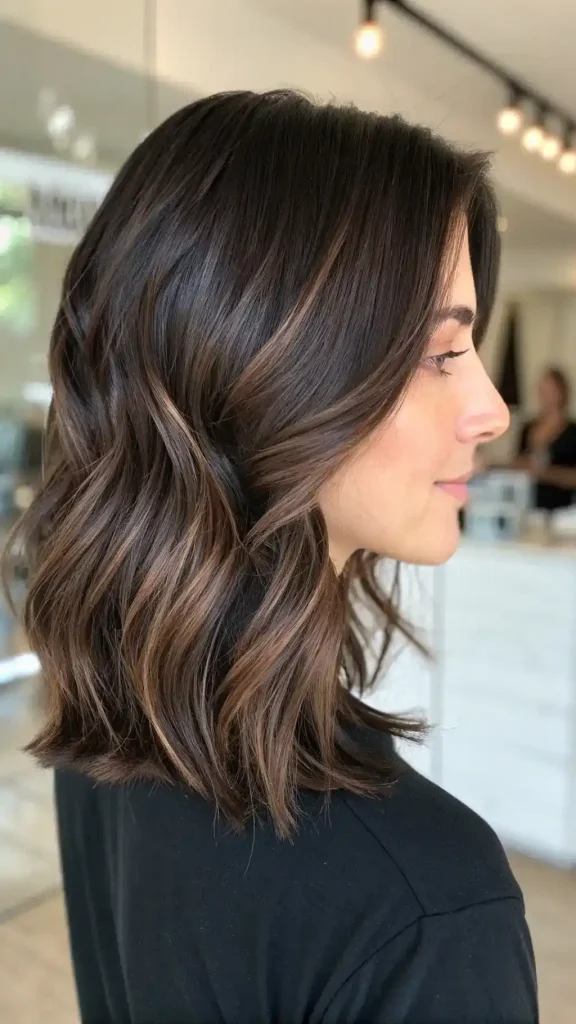
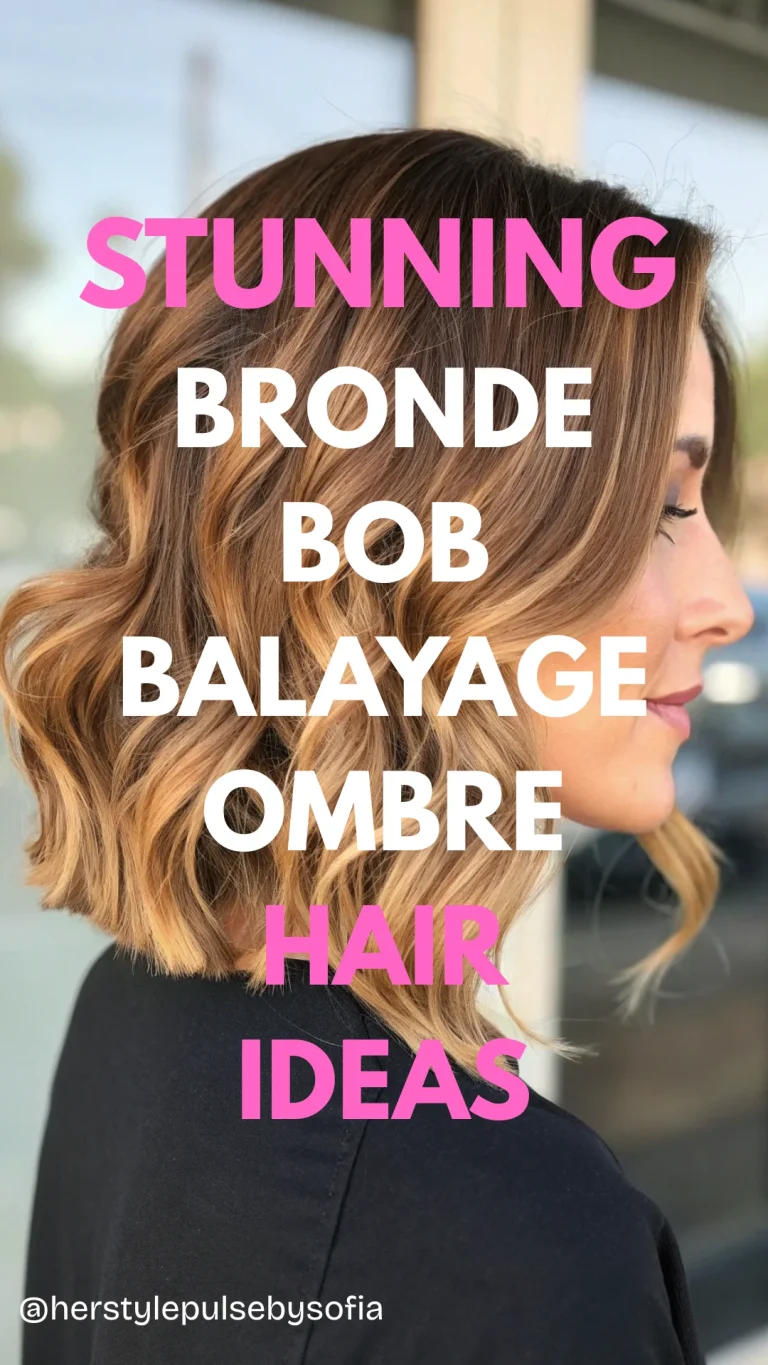
Sometimes the best highlight is barely a highlight at all. Babylights are ultra-fine, delicate highlights that mimic the natural sun-kissed dimension you had as a kid. On dark hair, this technique creates the most natural-looking brightness—like you spent a month at the beach without any of the sun damage.
Why they’re worth it:
| Benefit | Why It Matters |
|---|---|
| Natural growth | Roots blend seamlessly—go 4+ months between touch-ups |
| Versatility | Works with any face shape, hair texture, or style |
| Subtlety | Professional enough for conservative workplaces |
| Foundation | Can be built upon later if you want to go lighter |
Styling note: Babylights look best with movement—add texture spray and tousle for that “I’m naturally this effortless” effect.
What Color Highlight Looks Best on Dark Hair?
I’ve spent way too much time in hair forums and Facebook groups reading what people actually say about this, and here’s the tea: there’s no single “best” color because it depends entirely on your skin’s undertones and the vibe you’re going for.
From what I’ve gathered scrolling through hundreds of real user experiences, people with warm undertones (think golden, peachy, or olive complexions) absolutely rave about caramel, honey, and red-toned highlights. One user described getting caramel balayage as “finally finding the perfect Instagram filter but for my actual hair.” The warm highlights enhance that natural glow and create a cohesive look.
Meanwhile, folks with cool undertones (pink, blue, or neutral undertones) consistently report that ash brown, cool blonde, and even unconventional colors like blue or purple work better. A recurring theme in reviews? Cool-toned highlights prevent that “orange disaster” situation that happens when warm colors clash with cool skin.
The universal crowd-pleasers based on actual user feedback:
- Chocolate brown lowlights: “Looks expensive without being high-maintenance”
- Subtle caramel: “The Goldilocks of highlights—not too light, not too boring”
- Face-framing blonde: “Gets me compliments every single time I leave the house”
Here’s something interesting I noticed: people with brown skin consistently mention that warmer tones (caramel, honey, red) photograph better and show up more vibrantly, while still looking natural. Several Black hair forum users specifically called out how red and burgundy highlights “pop without looking crazy” on darker skin tones.
Season matters too, apparently. Summer highlight requests skew toward blonde and honey tones, while fall/winter sees more requests for chocolate, auburn, and deeper colors. One hairstylist active in the forums mentioned that her dark-haired clients specifically request “warmer for summer, cooler for winter” because it feels more aligned with the aesthetic of each season.
Do Highlights Damage Dark Hair?
Let’s keep it real—yes, highlights involve chemical processing, and yes, that can damage your hair. But here’s what actual people with dark hair are saying about their experiences, and it’s way more nuanced than a simple yes or no.
The biggest factor? Starting level matters hugely. Going from jet black to platinum blonde highlights requires significant lifting (aka bleaching the heck out of your hair), and multiple forum users mentioned experiencing dryness, breakage, and that crunchy texture we all dread. One person described their first extreme highlight experience as “my hair felt like hay, not gonna lie.”
But here’s the flip side: people who opt for subtle techniques like lowlights, babylights, or just-a-few-shades-lighter highlights report minimal damage. A recurring sentiment: “My hair actually feels healthier because I’m taking better care of it now” after getting highlights and investing in quality products.
What actually causes damage according to real experiences:
- Over-processing: Going too light too fast is the number one complaint. Dark hair has more pigment to remove, which means more bleach exposure
- Poor technique: Multiple people mentioned that cheap salons or inexperienced colorists left them with fried ends
- Neglecting aftercare: This came up constantly—people who didn’t use proper products saw way more damage
- Heat styling: Combining highlights with daily flat ironing or curling? Recipe for disaster according to the forums
The good news from actual users:
- Balayage and lowlights are generally considered the least damaging because they don’t touch your roots
- Modern techniques like “flash lighting” (super quick bleach application) minimize damage
- Olaplex treatments during coloring made a huge difference according to tons of reviews
- Waiting 12+ weeks between appointments lets hair recover
One hairstylist who frequently answers questions online put it perfectly: “Dark hair CAN be highlighted without significant damage if you’re patient, use a skilled colorist, and actually take care of it afterward. The damage usually comes from wanting Margot Robbie blonde in one session when you started with black hair.”
Protective measures people swear by:
- Deep conditioning treatments weekly (not optional)
- Color-safe, sulfate-free shampoos
- Reducing heat styling frequency
- Using heat protectant spray religiously
- Getting regular trims to remove damaged ends before they split further
Final Thoughts
Alright, let’s bring this home. If you’ve made it this far, you’re probably already mentally booking your salon appointment and obsessively screenshotting your favorite looks to show your stylist (honestly, same). Dark hair is such an incredible base for highlights because you have options—subtle dimension, bold contrast, or anything in between.
The biggest takeaway? Don’t let anyone tell you that dark hair is “too hard” to highlight or that you need to go full blonde to see results. Whether you’re vibing with those warm caramel tones, feeling the cool-toned ash aesthetic, or ready to experiment with something bold like pink or purple, there’s a highlight technique that’ll work for your hair texture, face shape, and personal style.
Be patient with the process (especially if you’re going significantly lighter), invest in a colorist who actually knows what they’re doing with dark hair, and for the love of all things holy, please use the deep conditioner. Your hair will thank you.