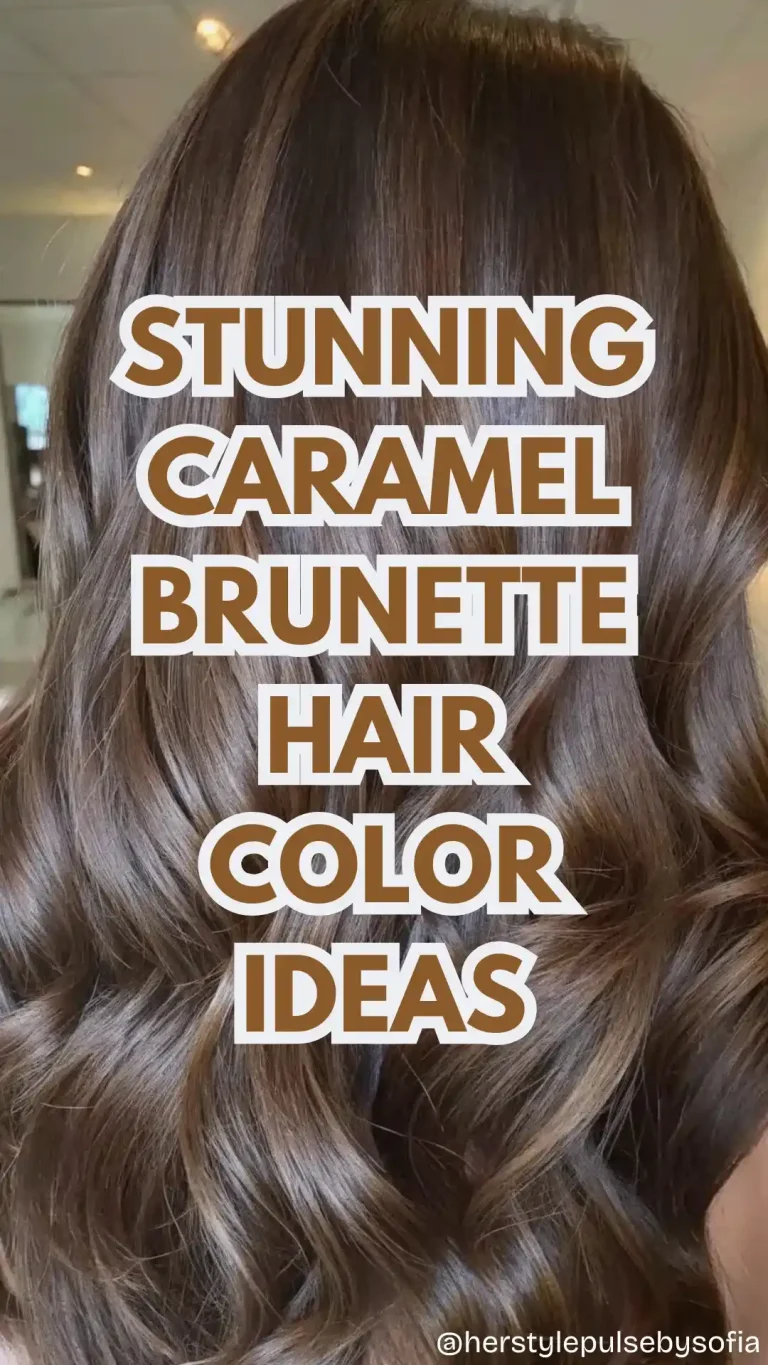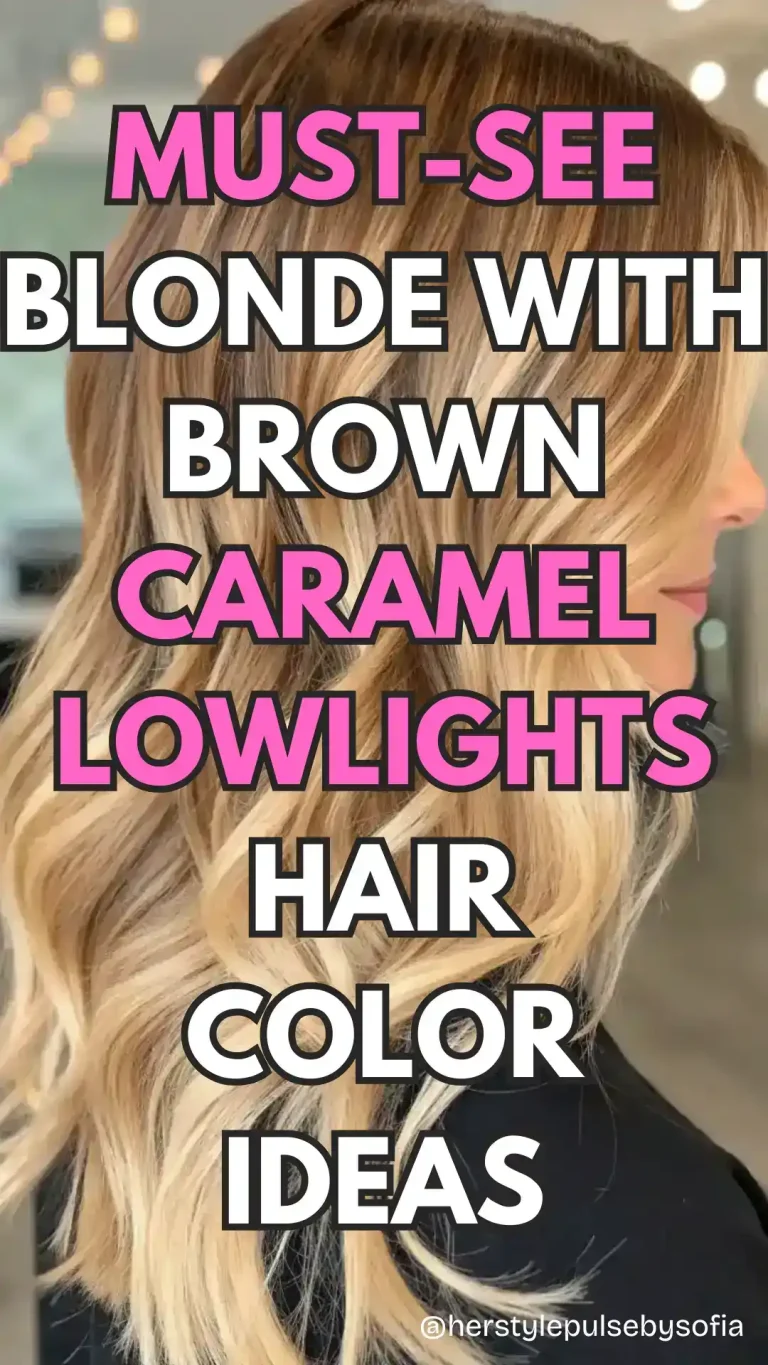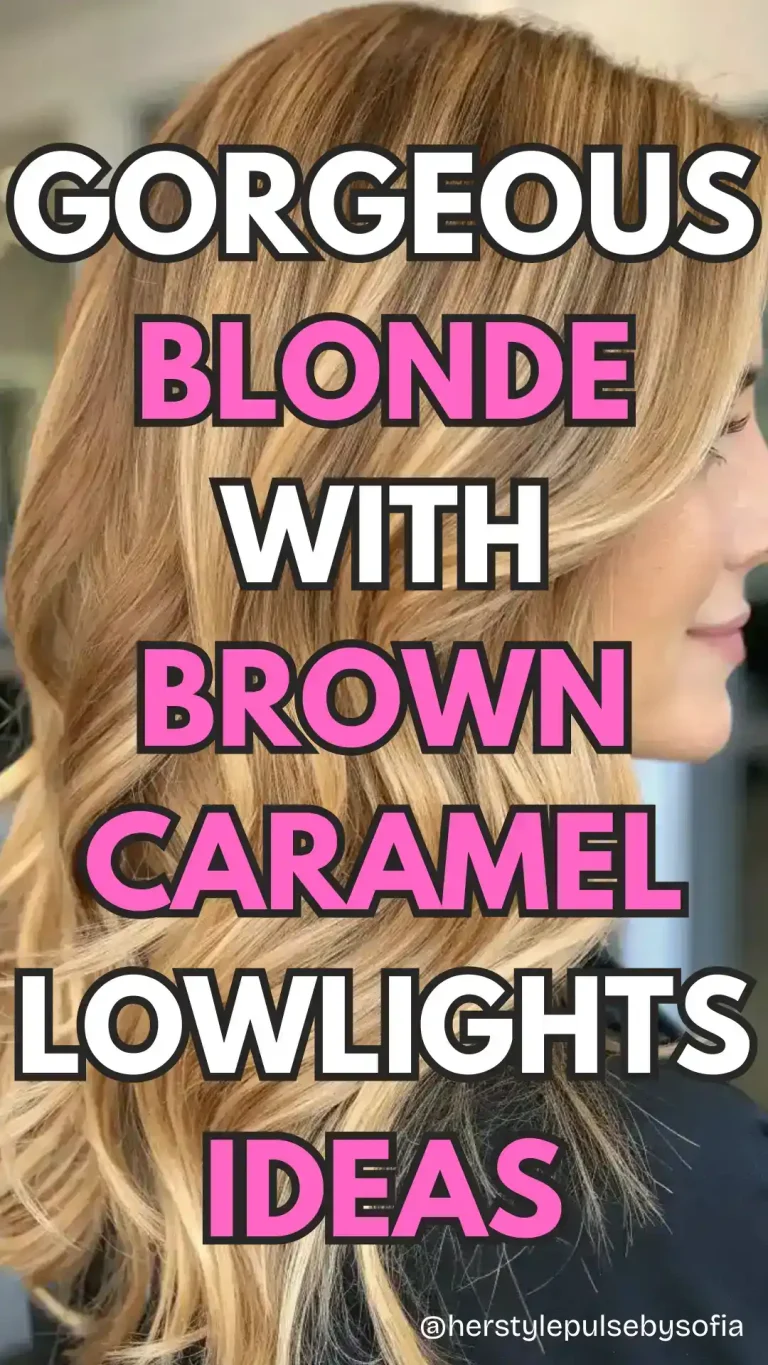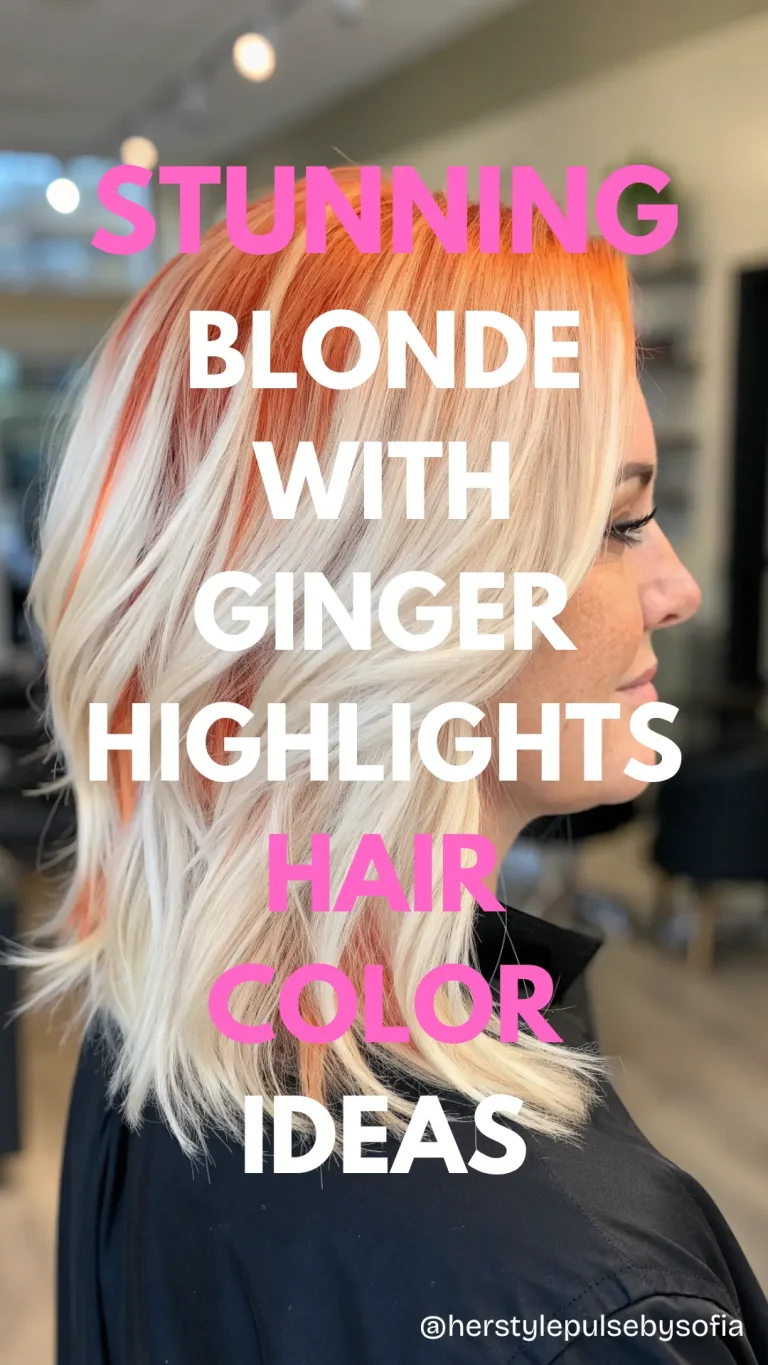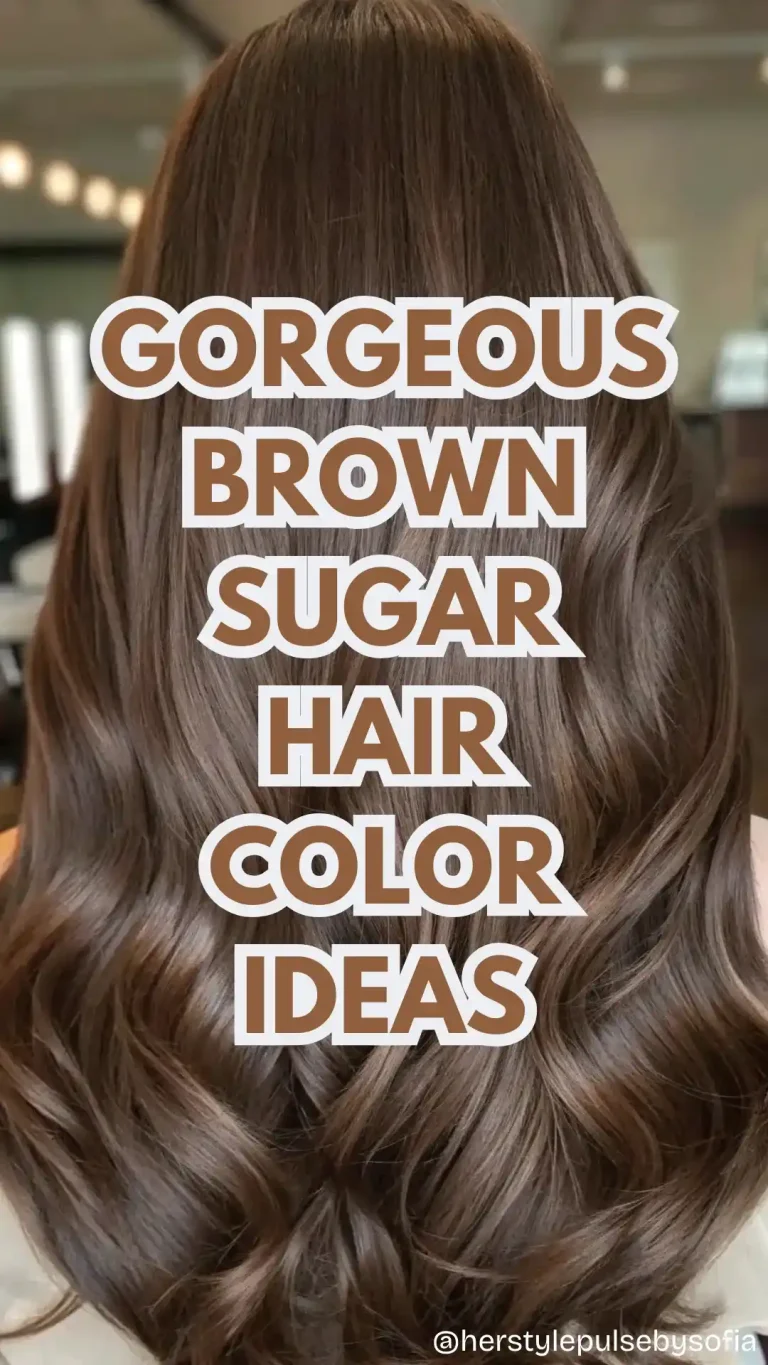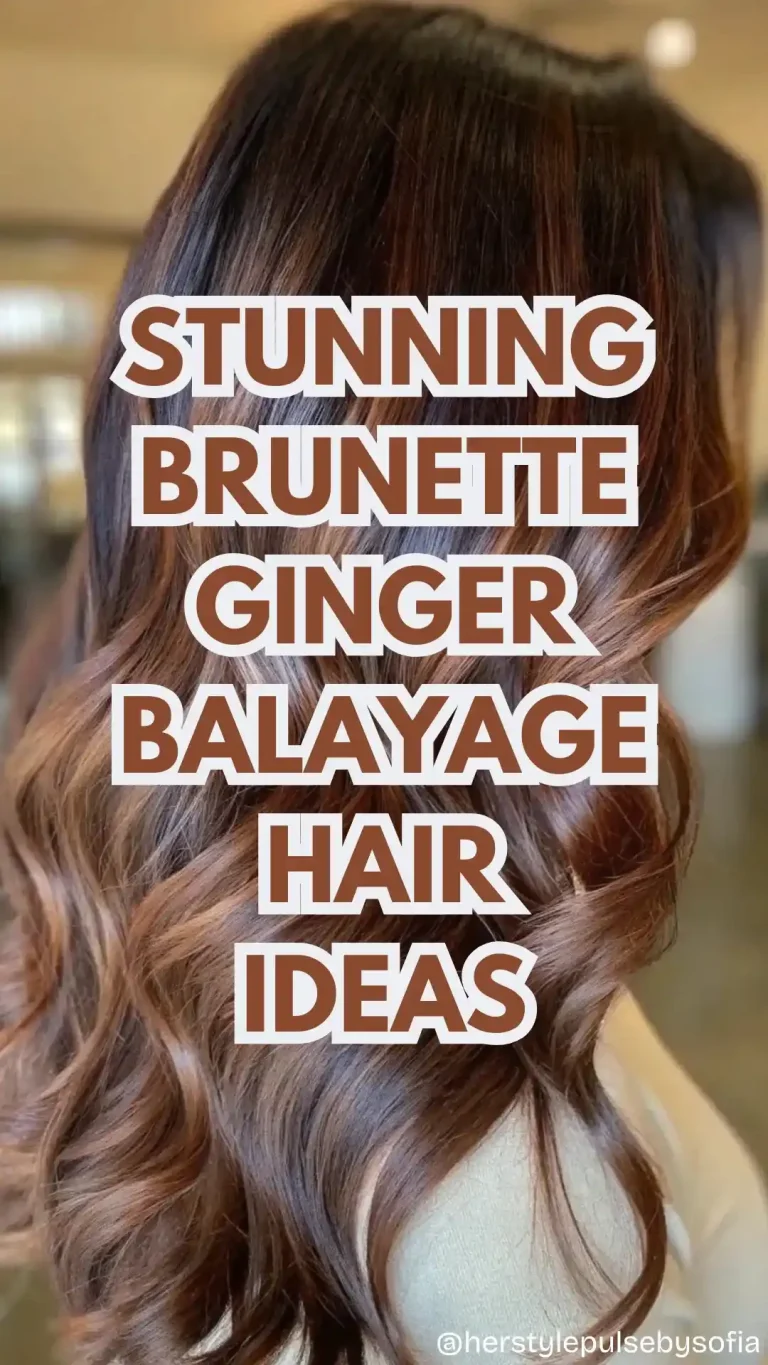
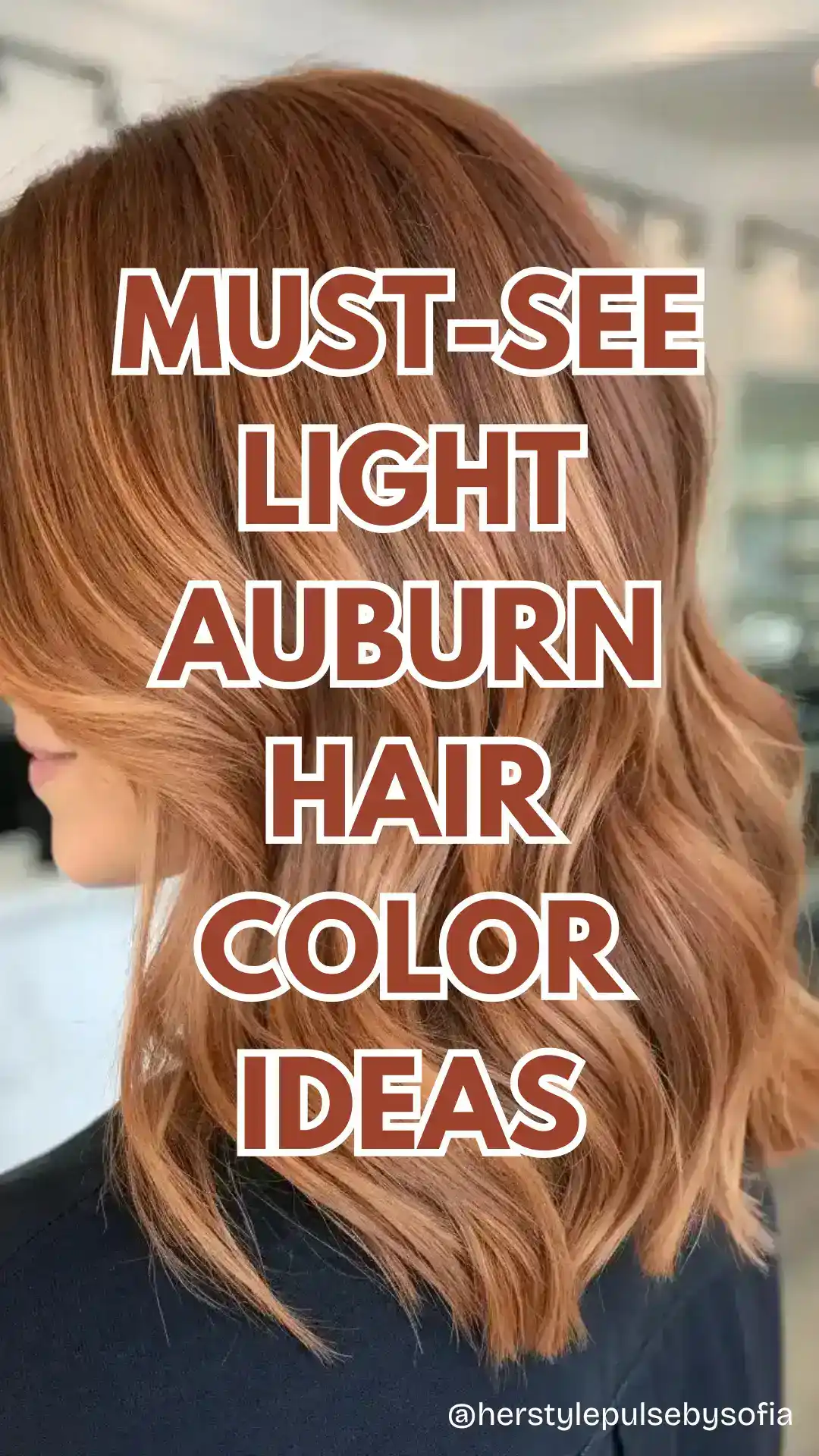
Still deciding between boring brunette and scary-bright copper? These light auburn variations deliver that perfect reddish-brown glow on every skin tone and length—subtle enough for the office, stunning enough for golden hour anywhere in the world.
Number 1’s classic light auburn turns everyday hair into liquid warmth. Number 2’s copper-strawberry blend lights up curls like sunset. Number 4’s money-piece frames your face with zero full-head drama.
From Paris café to Tokyo subway, Seoul street style to Rio beach—this is the universally flattering glow-up your feed’s missing. Your light auburn era loads in the next swipe. Keep scrolling.
10 Stunning Light Auburn Hair Color Ideas
Listen, choosing the right auburn shade can feel overwhelming, but that’s exactly why I’ve broken down these ten ideas with all the details you need. Each look brings something different to the table, whether you’re after low-maintenance vibes or you’re ready to commit to regular salon appointments for that perfect copper glow.
1. Classic Light Auburn
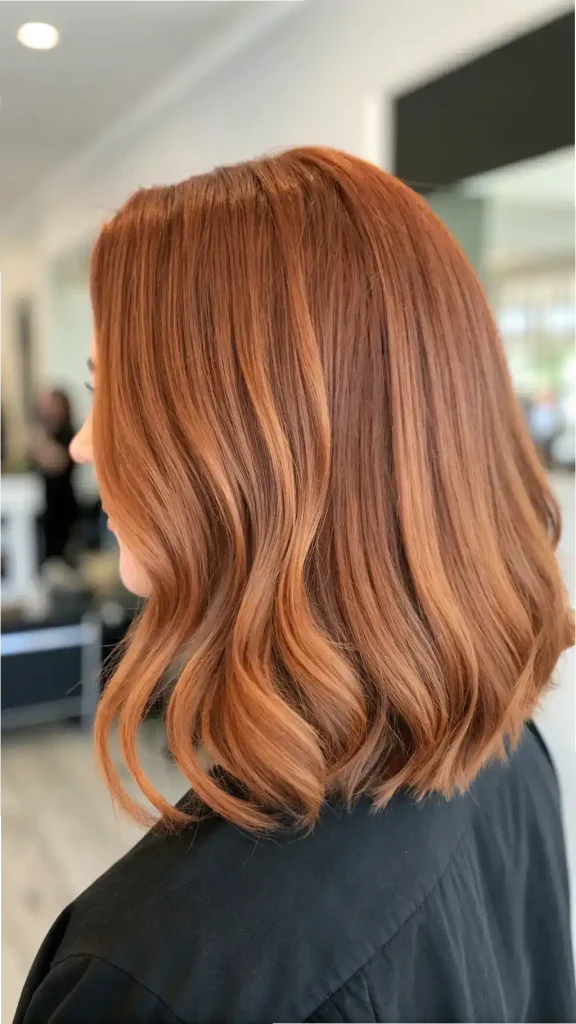
This is your entry ticket to the auburn world, and honestly, it’s chef’s kiss. Classic light auburn is that perfect reddish light brown hair that catches the light and makes people do a double-take. Think warm caramel undertones mixed with just enough red to make it interesting without going full Ronald McDonald.
Best for: Oval and heart-shaped faces—the warm tones really soften angular features and add dimension.
Styling tips:
- Use a color-safe shampoo (seriously, this matters) to prevent fading
- Air-dry for natural texture that shows off the color variation
- Works beautifully with both sleek straight styles and beachy waves
Pair with: Earth-tone clothing like olive greens, burnt oranges, and creamy whites. This color absolutely pops with a leather jacket and gold jewelry. For occasions, this is your everyday winner—office-appropriate but still gives “I have my life together” energy at brunch.
2. Copper Strawberry Blonde
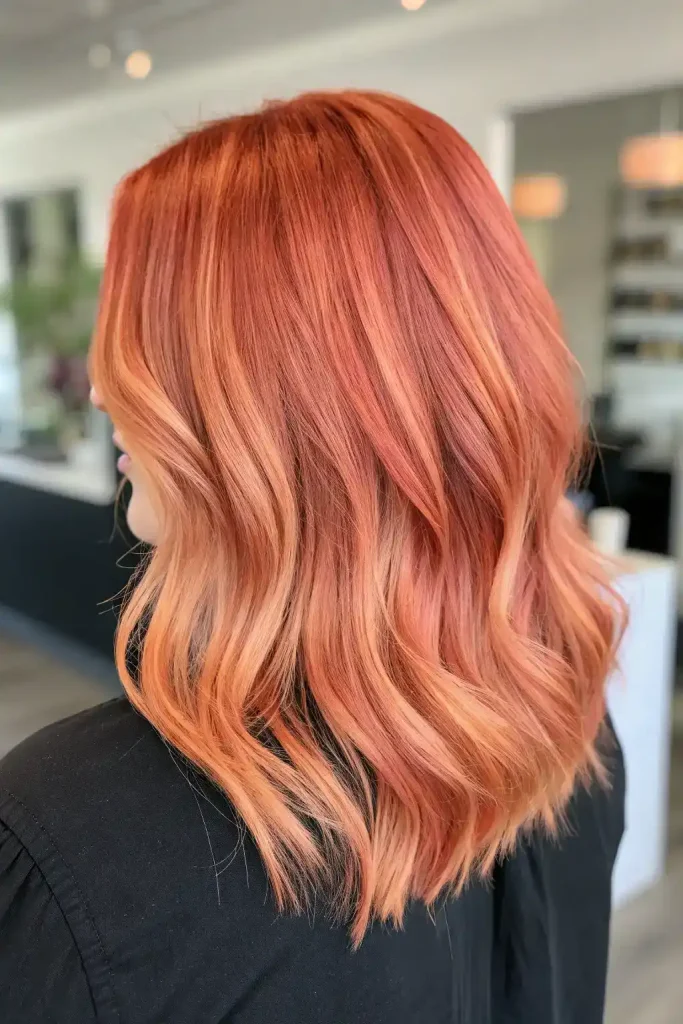
If Ariel from The Little Mermaid had an older, cooler sister who went to art school, this would be her hair color. This color copper strawberry blonde situation is lighter, brighter, and has this almost iridescent quality in sunlight.
Best for: Round and square face shapes benefit from the lighter tones that create vertical interest and elongate.
Why it works:
- Fair skin absolutely glows with this shade—the peachy undertones are magic
- Can be maintained with a formula that balances red and gold tones
- Add copper strawberry blonde lowlights for extra dimension
Maintenance level: Medium-high. This baby needs toning every 4-6 weeks to keep those strawberry tones fresh and prevent brassiness.
Style it: Curly hair with this color? Iconic. The ringlets catch different light angles and create this gorgeous multidimensional effect. Rock it short for a pixie that demands attention, or keep it long for mermaid vibes.
3. Balayage Auburn Magic
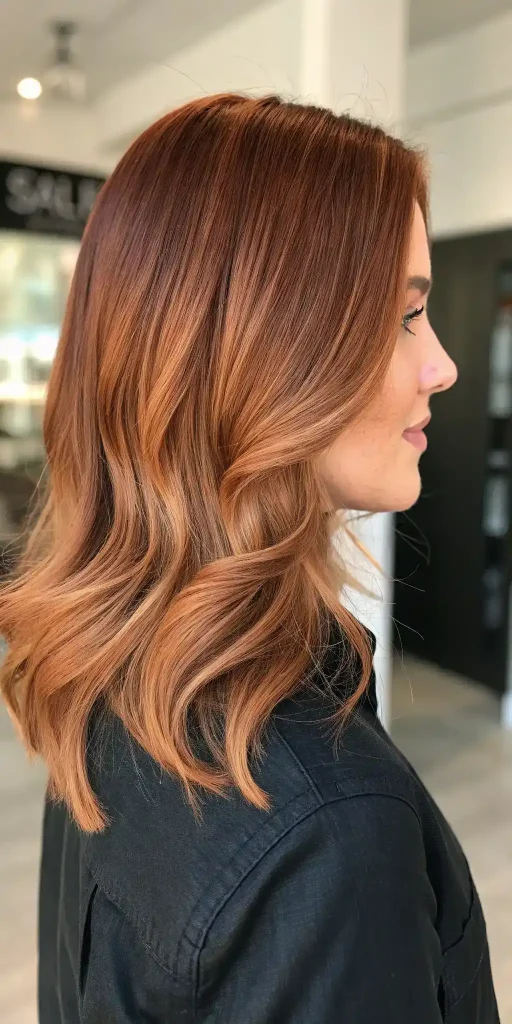
Color balayage is where the real artistry happens, folks. This hand-painted technique gives you that natural, sun-kissed gradient that screams “I woke up like this” (even though you definitely paid good money for it).
The breakdown:
- Starts darker at the roots (hello, low maintenance)
- Gradually lightens toward the ends
- Creates movement and dimension that flat color just can’t match
| Face Shape | Best Placement |
|---|---|
| Round | Vertical sweeps to elongate |
| Square | Face-framing pieces to soften jawline |
| Oval | Literally anywhere—you won the genetic lottery |
| Heart | Mid-lengths to ends to balance narrow chin |
Outfit pairings: This technique is versatile enough for literally any occasion. Wear it to your corporate job, your cousin’s wedding, or that indie concert you’ve been hyping up for months. The color balayage dark brown base keeps it sophisticated while the auburn ends add personality.
4. Money Piece Auburn
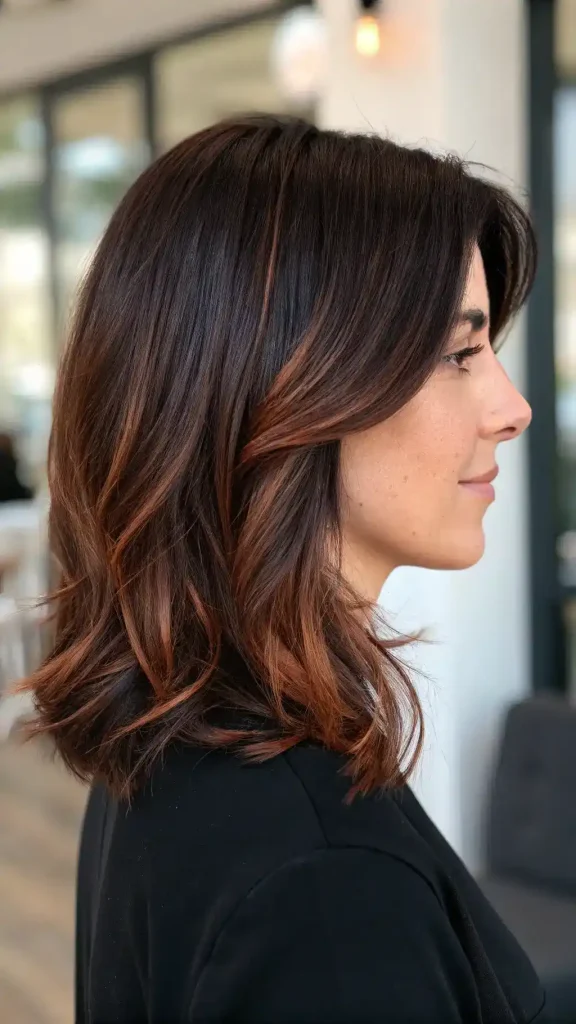
The money piece trend is still going strong, and honestly? I get it. These face-framing highlights are called “money” pieces because they give you maximum impact with minimal commitment (and minimal cost compared to full highlights).
What makes it special:
- Two chunky sections framing your face
- Lifts your complexion and brightens your whole look
- Works with any base color but looks insane with dark brown
Styling secret: Curl just the money piece sections away from your face for that effortless “I’m the main character” vibe. This technique literally works as face contouring—I’m not even kidding. It draws attention to your eyes and cheekbones.
Best occasions: Date nights, job interviews where you want to seem approachable but put-together, and definitely your next profile pic update.
5. Auburn with Caramel Highlights
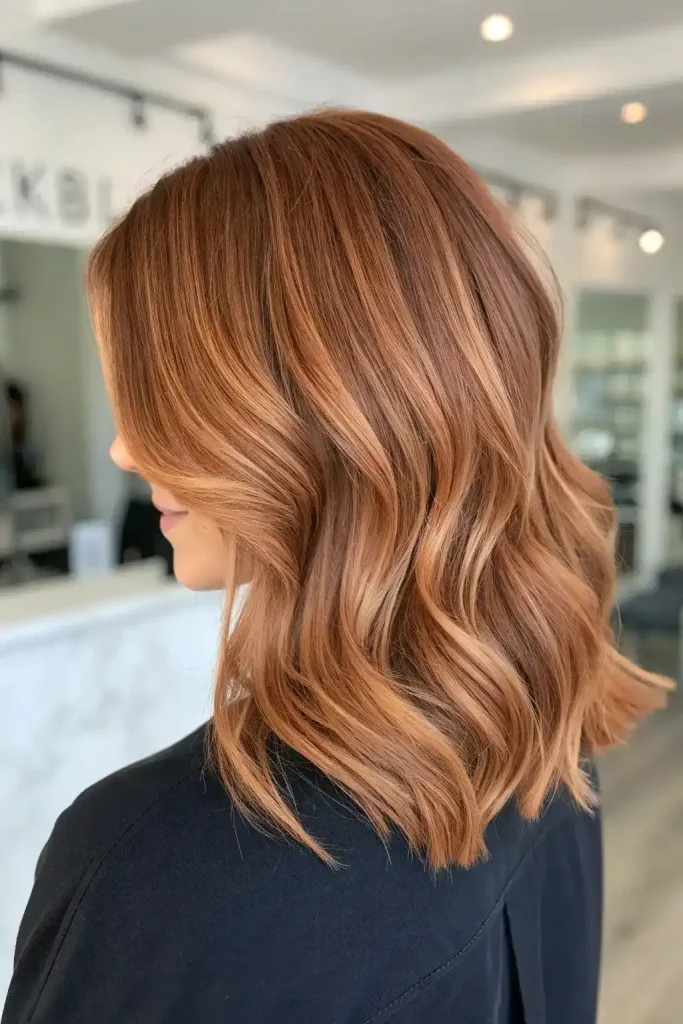
If you want color with highlights caramel that gives you warmth without going full red, this is your move. The color with highlights copper adds depth while caramel latte hair tones keep things soft and dimensional.
Why brown skin tones love this:
- The warm caramel tones complement deeper complexions beautifully
- Creates contrast without being too stark
- Natural-looking and sophisticated
Application tips:
- Ask for highlights concentrated around the face and crown
- Keep the back sections more subtle for a natural gradient
- Mix thin and chunky highlights for texture
Formula goals: Work with your colorist to blend auburn base with caramel latte hair highlights using techniques that prevent harsh lines. This isn’t the highlights of 2008—we’re going for seamless blending here.
6. Natural Auburn Glow
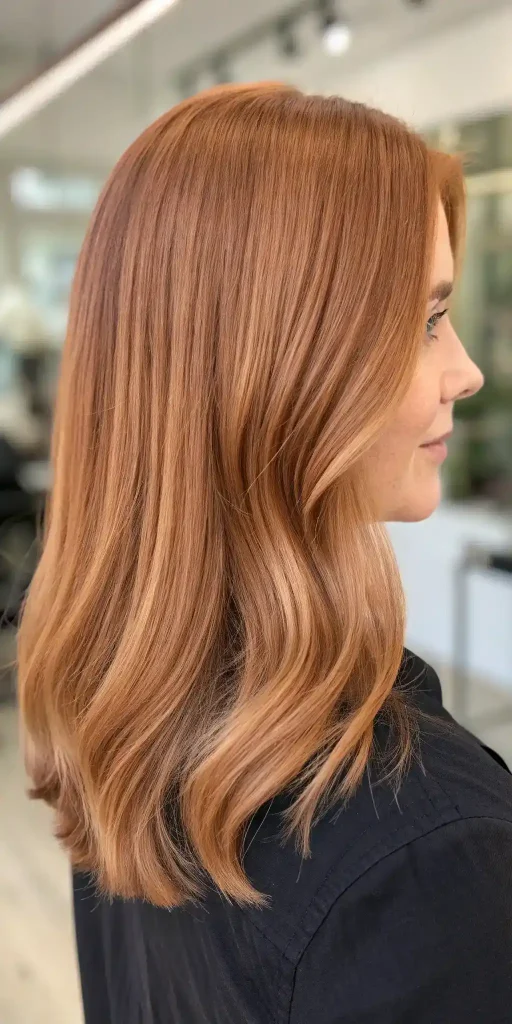
For my people who want to look like they were just born with gorgeous reddish light brown hair, this natural auburn shade is calling your name. It mimics how the sun would naturally lighten hair if you had the perfect combo of genetics and lived somewhere perpetually sunny.
Key features:
- Subtle variation in tone throughout
- No obvious highlights or lowlights
- Light red brown hair that looks like it grew that way
Maintenance: Surprisingly low! Since there are no stark contrasts, grow-out is super forgiving. Touch up every 10-12 weeks and you’re golden.
Pro tip for curly hair queens: This color on curly hair is everything. The natural texture shows off the subtle color variation, and each curl catches light differently. Use curl-defining cream to keep those spirals poppin’ and showcase your new color.
7. Copper Brown Red Highlights
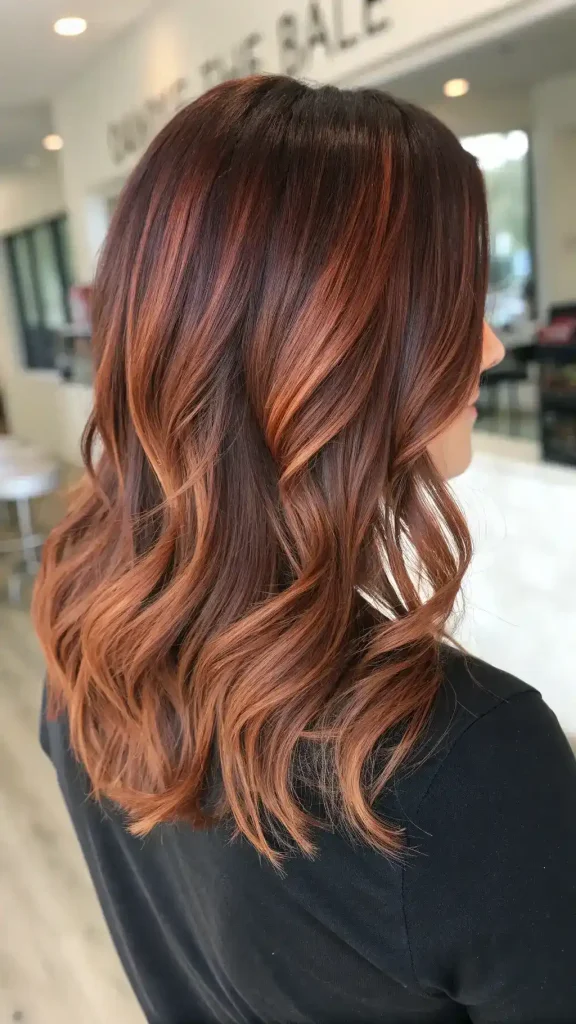
When you can’t decide between brown and red, why not have both? This color copper brown red highlights combo gives you the best of all worlds. It’s like your hair is having a sophisticated conversation between warm and cool tones.
Application technique:
- Base of medium brown
- Color copper strawberry blonde scattered throughout
- Red tones concentrated at mid-lengths
Face shape guide:
- Diamond faces: Keep highlights around the temples and crown
- Rectangle faces: Add volume at the sides with strategic highlight placement
- All face shapes benefit from copper tones near the face for warmth
Wear it with: This versatile shade works with everything from boho festival looks to sharp blazer-and-jeans combos. The multi-tonal effect means it never looks flat or one-dimensional.
8. Auburn with Blonde Highlights
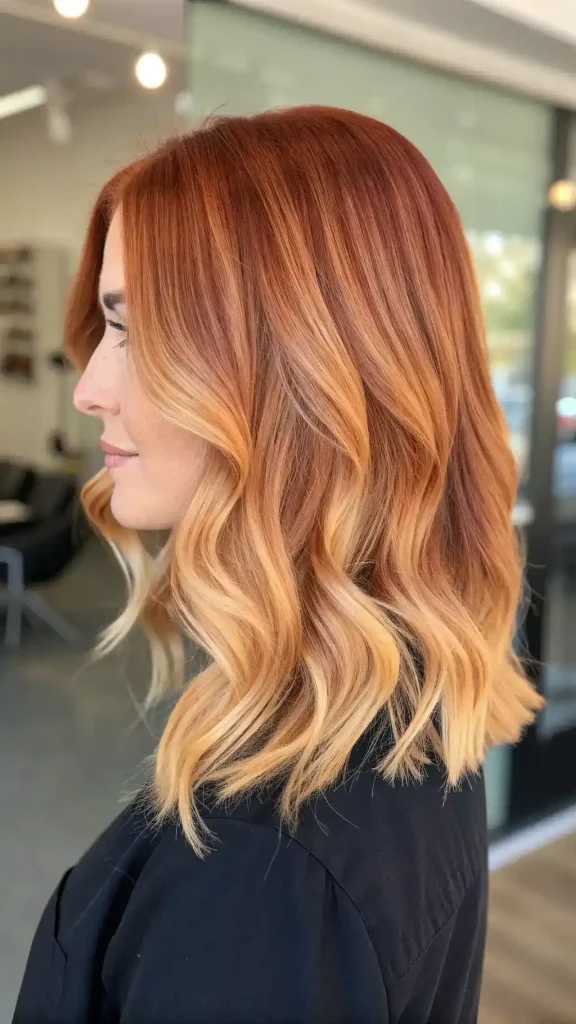
Plot twist: mixing auburn with blonde highlights creates this gorgeous sunset effect that’s totally trending right now. The contrast between warm auburn and cooler blonde highlights adds serious dimension.
Best for:
- Fair skin that can handle cooler tones
- Anyone wanting a lighter, brighter take on auburn
- Those ready for higher maintenance (blonde needs love, y’all)
Styling for impact:
- Beach waves show off the color contrast beautifully
- Half-up styles let you see all the tonal variation
- Add a shine serum because dimensional color deserves to glow
Reality check: This combo needs professional maintenance every 6-8 weeks. The blonde highlights will need toning to prevent brassiness, and the auburn needs refreshing. But honestly? The compliments make it worth it.
9. Short Auburn Aesthetic
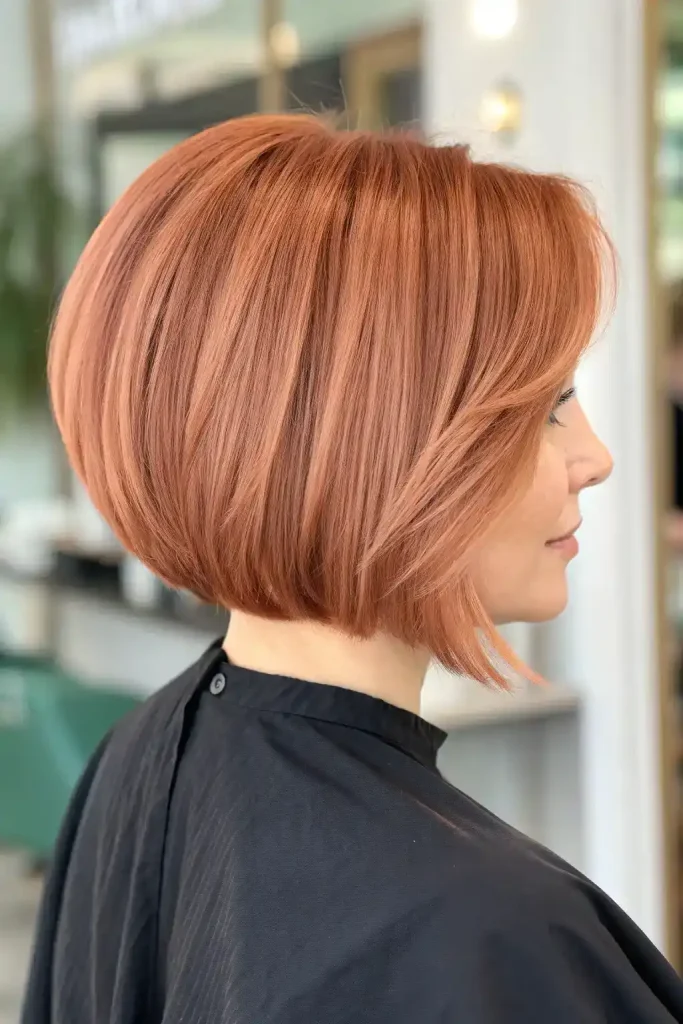
Color copper strawberry blonde short hair is having a moment, and I’m here for it. Whether you’re rocking a pixie, bob, or lob, short hair shows off light auburn in this concentrated, high-impact way.
Why short hair slays with auburn:
- Color appears more vibrant on shorter lengths
- Less product needed to maintain shine
- Grow-out is less noticeable
- Easier to switch things up when you’re feeling bold
Face shape considerations:
| Face Shape | Best Short Cut |
|---|---|
| Oval | Literally anything |
| Round | Longer bob with layers to elongate |
| Square | Soft, textured pixie to soften angles |
| Heart | Chin-length bob to balance proportions |
Outfit energy: Short auburn hair gives major cool-girl vibes. Think minimalist jewelry, statement earrings, and outfits that let your hair be the main event.
10. 6R Auburn Formula
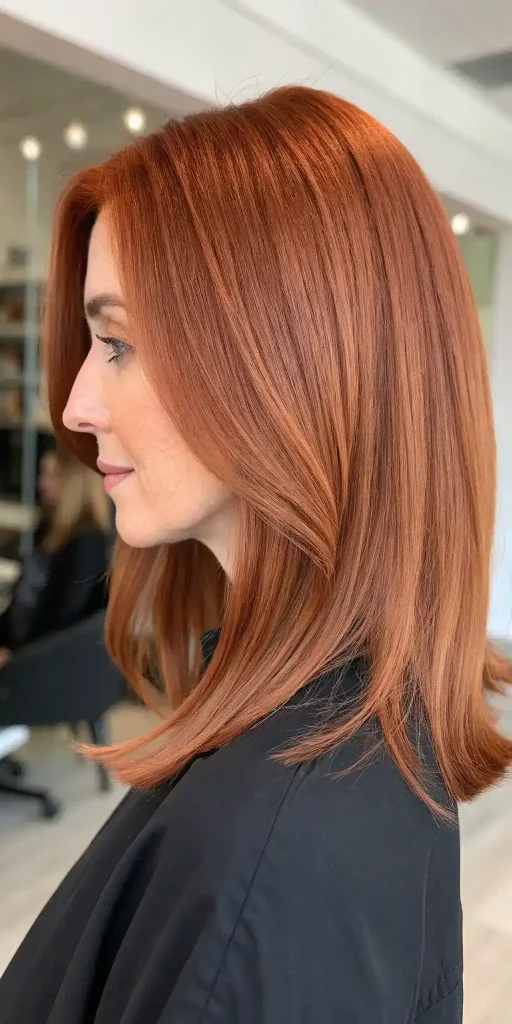
For my color nerds out there, 6r refers to a specific level and tone in professional hair color systems—level 6 (medium) with red undertones. Color loreal hicolor in 6R shades is actually a popular choice for achieving that perfect light auburn.
Technical breakdown:
- Level 6 is medium brown
- R indicates red tones
- Perfect starting point for custom auburn formulas
Who should try it:
- Those with natural level 4-6 hair (minimal lifting needed)
- Anyone wanting a true auburn without going too light or dark
- People ready to commit to the red hair maintenance lifestyle
At-home vs. salon: While color loreal hicolor formulas exist for home use, I’m gonna be real with you—auburn is tricky. Red tones fade fast, and getting the right balance of red and brown takes expertise. If you’re going for this, splurge on the professional application at least for the first go.
What Is Light Auburn Hair Color?
Light auburn hair color is basically the Goldilocks of the red-brown spectrum—not too dark, not too light, just right. It sits in that sweet spot between medium brown and copper red, giving you this warm, dimensional shade that looks expensive and sun-kissed. Think of it as what happens when brunette hair decides to have a spicy moment but still wants to keep things classy.
The colour technically falls in the level 6-7 range (if we’re getting technical with hair color charts), which means it’s lighter than traditional auburn but still has enough depth to not be considered strawberry blonde. The magic is in the red undertones—they’re present enough to be noticeable but not so intense that you look like you’re cosplaying a character from a CW show.
What makes light auburn special is its versatility. Unlike darker auburn shades that can sometimes appear almost burgundy in certain lighting, light auburn stays in that reddish light brown hair territory that flatters a wider range of skin tones. It’s warm without being orange, red without being cartoonish, and brown without being boring.
The color also has this gorgeous quality where it shifts in different lighting. Indoors, it might read more as warm caramel brown hair, but step outside in the sunshine and suddenly those red tones come alive like your hair has its own personal spotlight. It’s essentially a chameleon color that keeps people guessing and you looking fresh.
What Skin Tone Suits Light Auburn Hair?
Here’s the tea: light auburn is surprisingly forgiving across different skin tones, but like any hair color, certain undertones make it absolutely sing.
For fair skin: This is where light auburn really shows off. If you have fair skin with warm undertones (think peachy or golden rather than pink), light auburn will complement you beautifully. The warmth in the hair color echoes your skin’s warmth, creating this cohesive, glowing effect. Even if you have cool-toned fair skin, you can still rock color fair skin auburn shades—just lean toward versions with more golden or strawberry tones rather than deep copper.
Medium skin tones: Lucky you, because you can pretty much wear any variation of light auburn. If you have neutral or warm undertones, go for classic light auburn or versions with caramel latte hair highlights. Olive skin tones look incredible with auburn because the warm red-brown tones create this gorgeous contrast that makes your skin look sun-kissed and luminous.
Brown skin: Absolutely yes to light auburn on deeper complexions! Brown skin with warm undertones looks stunning with this color—think Rihanna, Beyoncé, and other icons who’ve played with auburn shades. The key is going for versions with enough depth and warmth. Color with highlights caramel works beautifully because it adds dimension without washing you out. The contrast between rich brown skin and warm auburn tones is simply iconic.
The undertone rule: Regardless of how light or dark your skin is, warm undertones are your best friend with light auburn. If you look better in gold jewelry than silver, if peach and coral make your skin glow, and if you tan easily rather than burn—warm-toned colors like auburn are probably your jam.
Testing the waters: Not sure if it’ll suit you? Try a temporary color first, or ask your stylist about color-depositing conditioners in auburn shades. You can test the vibe before committing to permanent color.
Is Light Auburn Hair Ginger?
Short answer: No, but they’re definitely cousins at the family reunion.
Let’s break down the difference because people mix these up all the time. Ginger hair is typically more orange-based with yellow undertones. Think natural redheads, carrots, and that bright coppery color that’s unmistakably orange-red. It’s usually lighter and more vivid, sitting somewhere in the strawberry blonde to bright copper range.
Light auburn, on the other hand, is brown-based with red undertones. It’s fundamentally a brown shade that happens to have red in it, not a red shade that happens to be dark. The brown base gives auburn more depth and makes it read as a warmer brunette rather than a redhead shade.
Here’s a helpful comparison:
| Feature | Ginger | Light Auburn |
|---|---|---|
| Base color | Orange-red | Reddish-brown |
| Undertones | Yellow/gold | Red/copper |
| Intensity | Bright, vivid | Warm, subtle |
| Natural occurrence | Rare genetic trait | Can occur naturally but usually enhanced |
| Maintenance | Fades to peachy tones | Fades to warm brown |
The confusion happens because both colors live in the warm, reddish spectrum, and in certain lighting, light auburn can look gingery—especially if it’s on the lighter end or has been sun-lightened. But fundamentally, they’re different beasts.
If someone with natural ginger hair dyes it darker, they might end up with something close to auburn. And if someone with auburn hair bleaches or lightens it, they might pass through ginger territory. But as standalone colors, ginger is more orange-red while auburn is more red-brown.
Is Light Auburn the Same as Copper?
They’re related but not identical—think of them as siblings with different personalities.
Copper hair color is typically brighter, more intense, and sits firmly in the red-orange family. It’s that shiny penny color, that metallic reddish-orange that’s bold and unapologetic. Copper is red with orange undertones, and it’s usually quite vivid. When you think copper, think Jessica Chastain or Emma Stone in certain lighting—that bright, attention-grabbing red-orange.
Light auburn is softer, more muted, and brown-based. While it can have copper tones (hello, color copper brown red highlights), the brown base keeps it from being as intense as true copper. Auburn is the more subtle, sophisticated older sibling that copper looks up to.
The key differences:
Copper:
- Vibrant, metallic-looking
- Orange-red base
- High-impact, statement color
- Requires serious maintenance to keep vivid
- More challenging to achieve on darker hair
- Formula often requires pre-lightening
Light Auburn:
- Softer, more natural-looking
- Red-brown base
- Sophisticated, versatile
- Moderate maintenance
- Easier to achieve on various hair levels
- Natural formula can work without lightening in some cases
Can they overlap? Absolutely. You can have light auburn with copper highlights, or copper tones woven through auburn hair. Color copper strawberry blonde is basically what happens when copper and auburn have a baby—you get those bright copper notes but with a lighter, more golden-brown base that keeps it from going full orange.
The confusion comes from the fact that in certain lighting, light auburn can appear quite coppery, and in dim lighting, copper can look more auburn. But place them side by side in natural light, and copper will be noticeably brighter and more orange-toned.
Choosing between them: If you want something eye-catching and bold, go copper. If you want warmth with sophistication and easier maintenance, choose light auburn. If you can’t decide? Mix them with strategic highlighting techniques that give you the best of both worlds.
Final Thoughts: Your Light Auburn Journey Starts Now
Auburn is having its moment right now, and honestly, it’s about time. We’ve done the cool-toned ash brown thing, we’ve survived the everyone-has-balayage era, and now we’re in this gorgeous warm-toned renaissance that just makes everyone look like they’re perpetually glowing.
Whether you’re going full send with an all-over color transformation or just testing the waters with some money piece action, save this article (seriously, screenshot it) and take it to your colorist. Show them the exact vibe you’re going for, talk about your maintenance commitment (be honest with yourself here), and trust the process. Auburn isn’t just a color—it’s a whole aesthetic, and you’re about to look absolutely fire.