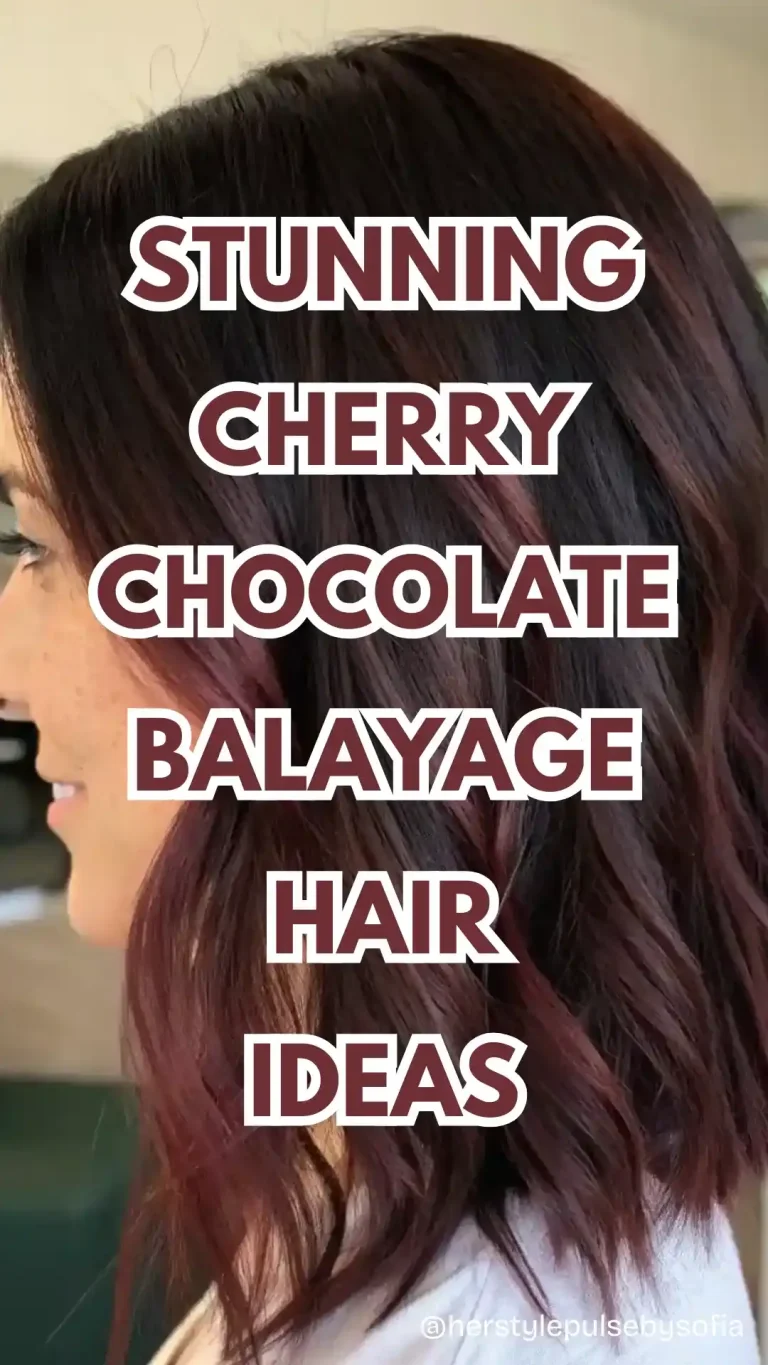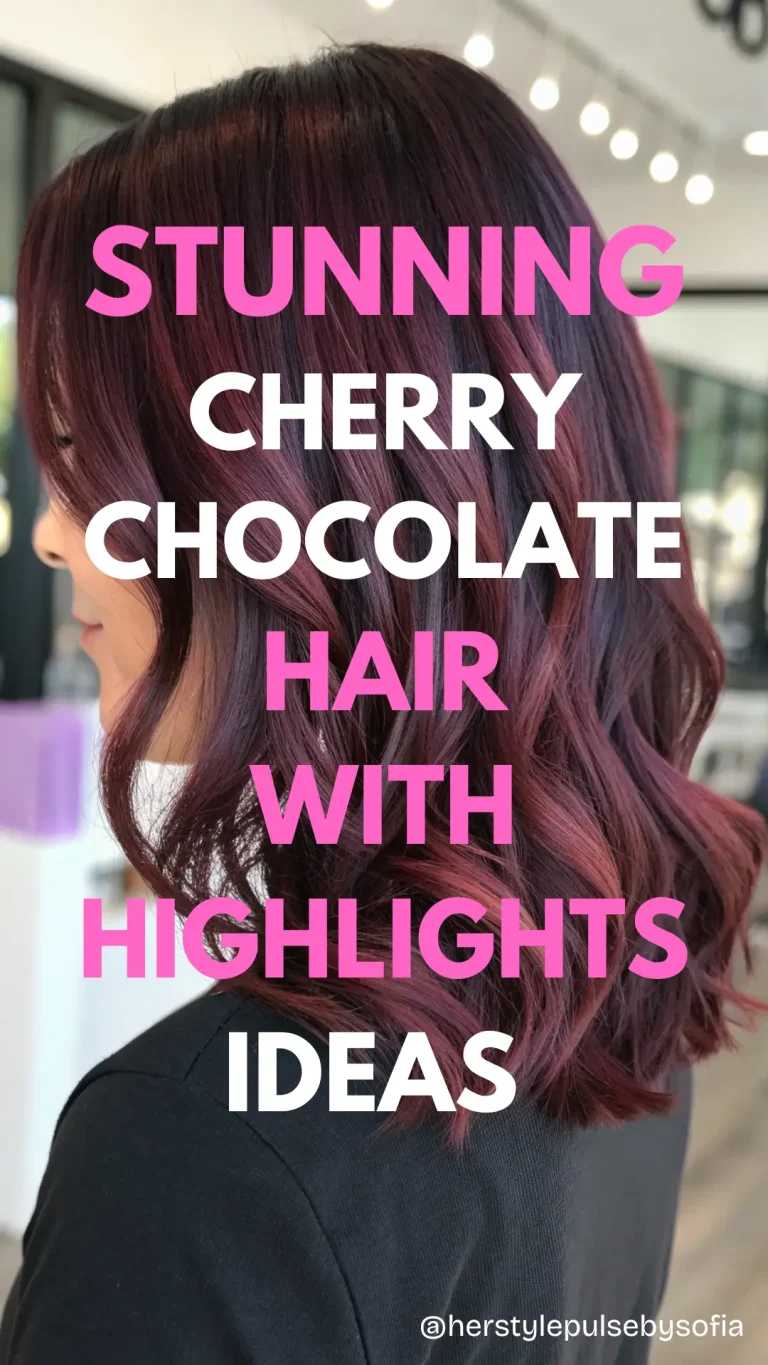
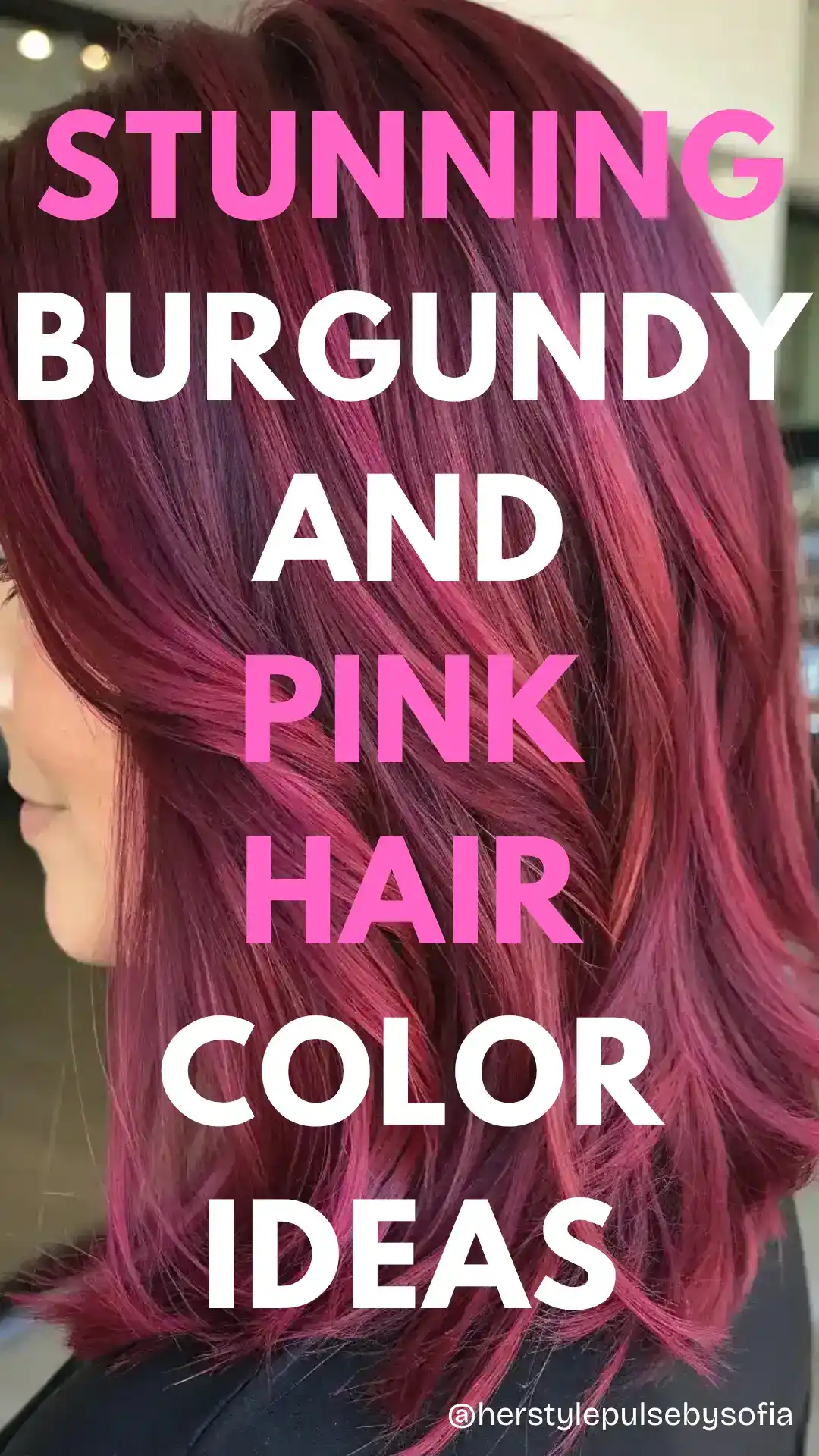
Do you want moody wine-stained roots that melt into soft rose, or bold magenta streaks that stop people mid-scroll? If you’re craving that mysterious edge, the Berry Pink Balayage gives you deep burgundy roots fading into berry tones that literally glow in natural light. Prefer maximum drama?
The Maroon and Pink Ombre starts vampy at the roots and explodes into hot pink at the ends—no blending into backgrounds here. And for the commitment-phobes scrolling right now, Burgundy With Pink Highlights keeps your rich wine base but adds strategic pink ribbons for that “I woke up like this” dimension.
Stunning Burgundy and Pink Hair Combinations You Need to Try
From deep wine-stained roots that melt into dusty rose ends to bold streaks that demand attention, there’s a version of this combo for every aesthetic. Below, I’ve curated game-changing ideas that’ll have you screenshotting faster than you can say “hair goals.”
Berry Pink Balayage
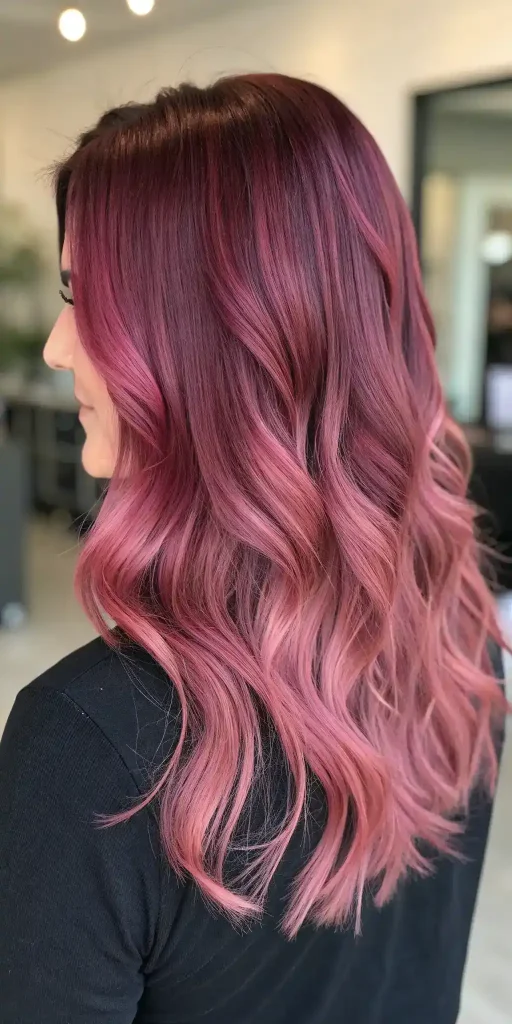
Imagine the most gorgeous mixed berry smoothie you’ve ever seen—now put that on your head. Berry pink hair combines the depth of burgundy with soft, romantic pink tones that literally glow in natural light. This technique uses balayage to create a seamless transition from darker burgundy roots to lighter berry-toned ends.
Perfect for: Oval and heart-shaped faces, as the color graduation creates vertical lines that elongate your features. If you’ve got a round face, ask your stylist to place the lightest pink pieces around your cheekbones to add dimension.
Styling tips:
- Works phenomenally with long, wavy hair where the color can really showcase its gradient
- Pair with gold jewelry for warm-toned days or silver for a cooler vibe
- Beach waves or loose curls make the color dimension pop
- Perfect for transitioning from summer to fall—it’s literally the September of hair colors
Maintenance reality check: Berry tones fade beautifully into dusty rose, so you’re not stuck with awkward grow-out. Use purple shampoo once weekly to keep the pink from going peachy.
Occasion pairing: This is your wedding guest, brunch date, and corporate-casual-Friday hair all in one. Wear it with burgundy lipstick for a monochromatic moment, or keep makeup minimal and let your hair do the talking.
Maroon and Pink Ombre
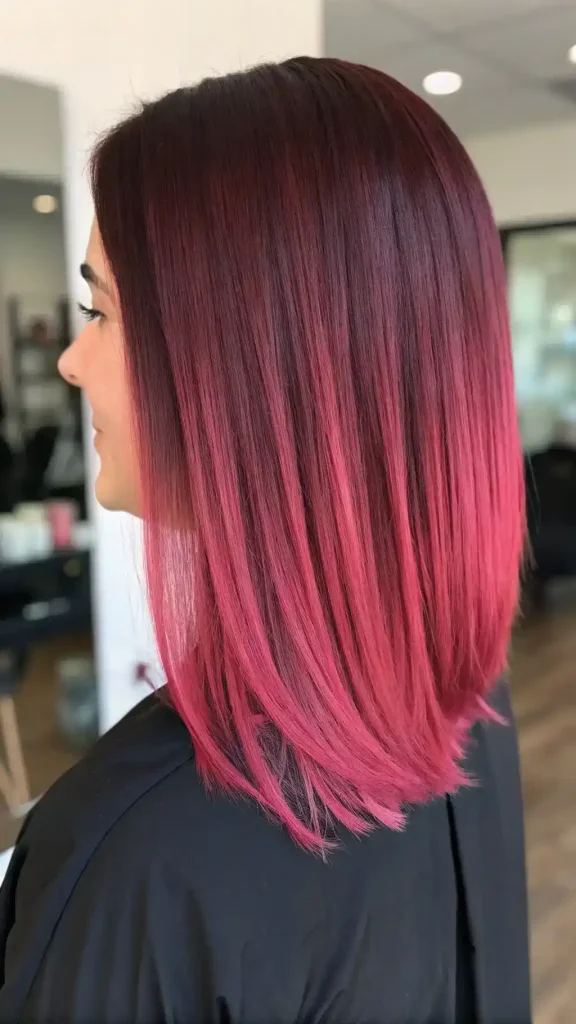
The maroon and pink hair ombre is for those who want drama without the commitment of all-over color. Think deep, vampy maroon at the roots that gradually transforms into a vibrant hot pink at the ends. This isn’t your 2015 ombre—it’s refined, blended, and seriously eye-catching.
Face shape compatibility: Works beautifully on longer hair lengths (shoulder-length or longer) for any face shape. The color transition draws eyes downward, which is particularly flattering for square or rectangular face shapes.
How to wear it:
- Style in a high ponytail to show off the full color spectrum
- Straightened hair makes the color blocks more defined and editorial
- Curled ends soften the transition for a romantic vibe
Wardrobe wins: This color combo is made for leather jackets, band tees, and combat boots. It also surprisingly slays with feminine dresses—the contrast is chef’s kiss. Avoid wearing all-pink or all-burgundy outfits; instead, opt for neutrals (black, white, gray) or complementary colors like forest green or navy.
Pro tip: Ask your colorist to use a deep conditioning treatment during processing. The ends (your pink section) need extra love since they’re lifted the most.
Burgundy With Pink Highlights
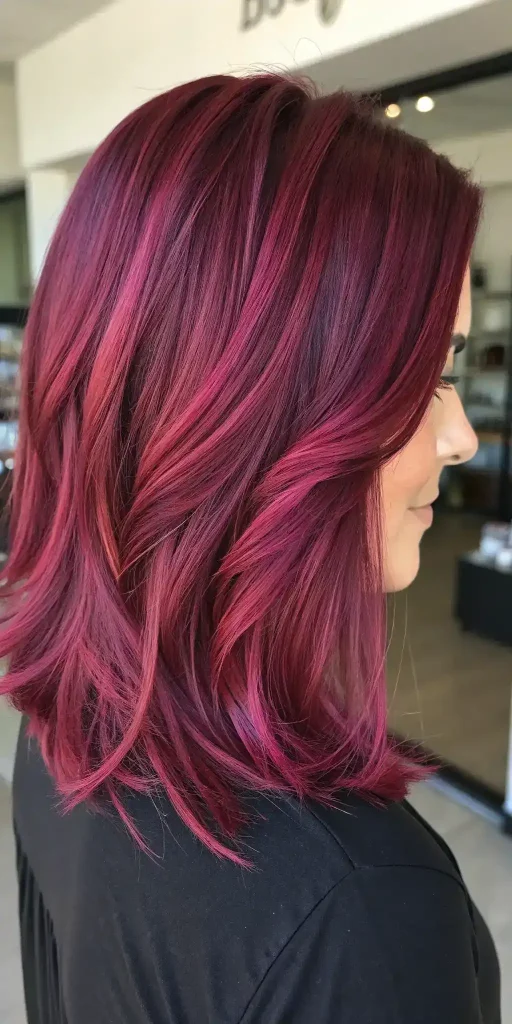
For the commitment-phobes out there, burgundy and blonde hair—wait, wrong combo. Let me restart: burgundy hair with pink highlights is your gateway into this trend. Keep your base a rich burgundy and add strategic pink highlights throughout for dimension and movement.
Placement matters:
- Face-framing highlights brighten your complexion and draw attention to your features
- Peek-a-boo highlights underneath add a fun surprise element
- All-over highlights create texture and prevent the color from looking flat
Best for: Literally everyone, but especially those with medium to dark natural hair who want to dip their toes into pink territory without a full commitment.
Styling strategy: The highlights shine brightest in textured hairstyles—think braids, where the pink peeks through, or messy buns that reveal the hidden color. Pin-straight hair shows off the intentional placement, while curls blend them for a more subtle effect.
Occasion flexibility: Office-appropriate when styled sleek (the pink reads as dimension rather than “statement”), but transforms into concert-ready hair when you add texture and volume.
| Hair Texture | Best Styling Approach | Product Must-Haves |
|---|---|---|
| Straight/Fine | Add volume at roots, use texturizing spray | Dry shampoo, light hold spray |
| Wavy | Enhance natural wave pattern | Sea salt spray, curl cream |
| Curly/Coily | Define curls, maintain moisture | Leave-in conditioner, curl gel |
| Thick/Coarse | Smooth frizz, add shine | Smoothing serum, oil treatment |
Deep Pink Roots
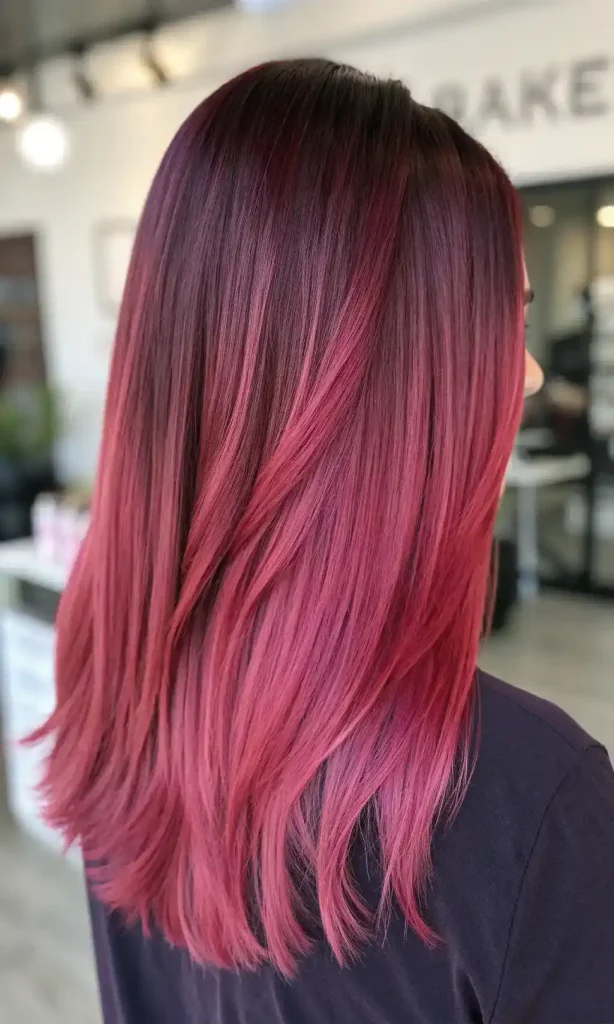
Flip the script entirely with deep pink hair at the roots melting into lighter burgundy or wine tones. This reverse ombre situation is unconventional and undeniably cool. The deep pink creates an almost neon glow at the root that fades into richer burgundy through the mid-lengths.
Why it works: Having the brightest color at the roots means your grow-out looks intentional for weeks longer. As your natural color grows in underneath the pink, it creates an edgy, lived-in vibe.
Face shape considerations: The bright root draws eyes upward, making this ideal for longer face shapes. If you have a shorter face, keep the pink more concentrated and transition quickly to avoid adding height.
Maintenance truth bomb: You’ll need root touch-ups every 4-6 weeks to keep that pink punchy, but the burgundy ends are forgiving. This is higher maintenance than traditional ombre but so worth it for the compliments alone.
Style it with: High buns that show off the roots, space buns for festival season, or slicked-back looks that make the color gradient the star. Pair with minimal makeup—your hair is already doing the most.
Raspberry Pink Layers
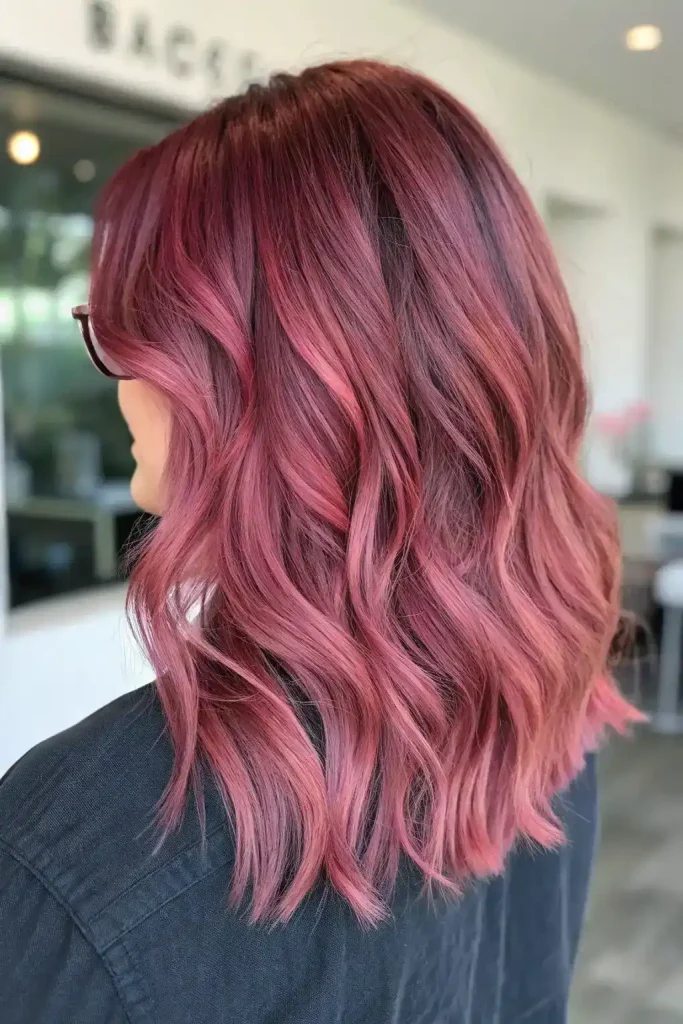
Raspberry pink hair combines the best of both worlds: the warmth of burgundy with the playfulness of pink, landing somewhere in that perfect berry territory. Add layers to this color, and you’ve got dimension for days.
The layered advantage: Different hair lengths catch light differently, making your raspberry tone appear multi-dimensional. The layers also create movement that shows off the color’s complexity.
Ideal candidates:
- Works on all hair textures but truly shines on medium to thick hair
- Round faces benefit from longer layers that create length
- Angular faces look softer with shorter, face-framing layers
Styling essentials:
- Blow-dry with a round brush to maximize volume between layers
- Use a curling wand on alternating sections for an undone, textured look
- Apply a light oil to ends to prevent the raspberry tone from looking dull
Fashion pairing: Raspberry pink is surprisingly neutral—it works with warm tones (camel, rust, olive) and cool tones (navy, charcoal, ice blue) equally well. It’s the Swiss Army knife of fashion-forward hair colors.
Special occasion styling: For weddings or formal events, style in a loose side braid or soft updo. The layers will create texture and visual interest even when hair is pinned up. For casual vibes, let it air-dry with some texturizing cream and embrace the effortless energy.
Burgundy and Purple Fusion
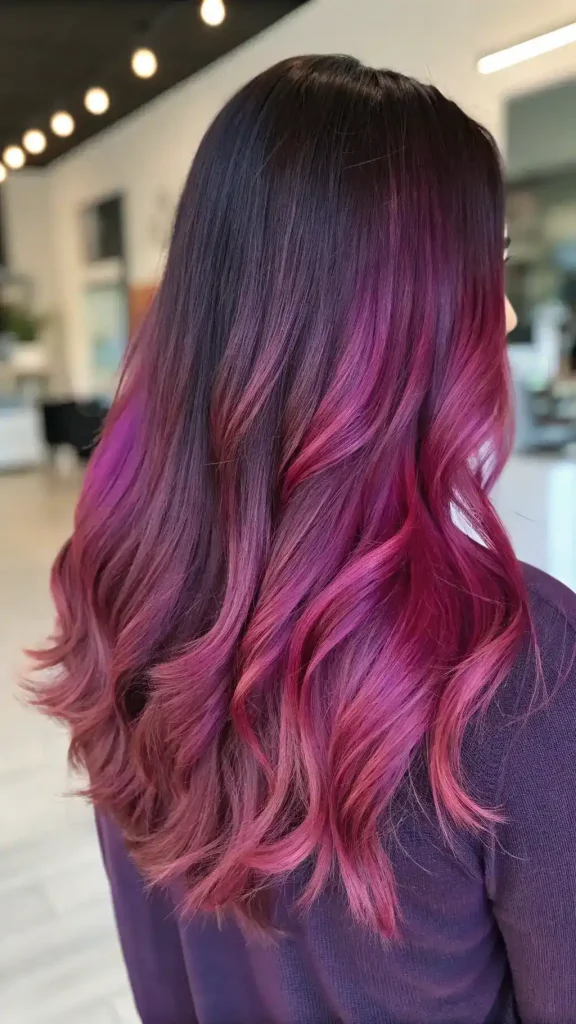
When burgundy and purple hair collide, magic happens. This combination leans more toward the cool-toned side of the spectrum, creating an almost mystical, jewel-toned effect. The purple adds an unexpected twist to the classic burgundy and pink combo.
Color theory moment: Burgundy (red + blue), purple (red + blue), and pink (red + white) all share red as a base, which is why they blend so seamlessly. The purple adds depth and prevents the color from reading too warm or too cool.
Technique options:
- Color melt from burgundy roots through purple mid-lengths to magenta pink ends
- Chunky sections of alternating burgundy and purple for a more editorial look
- Subtle purple lowlights in predominantly burgundy hair with pink highlights
Who rocks this best: Cool-toned skin types absolutely slay this combination, but warm-toned folks can pull it off by keeping the ratio heavier on burgundy. This color particularly pops against deeper skin tones.
Outfit coordination: Think jewel tones across the board—emerald green, sapphire blue, or rich gold accessories. Avoid wearing purple clothing (too matchy), but a burgundy lip or purple eyeshadow creates a cohesive beauty moment.
Magenta Pink Streaks
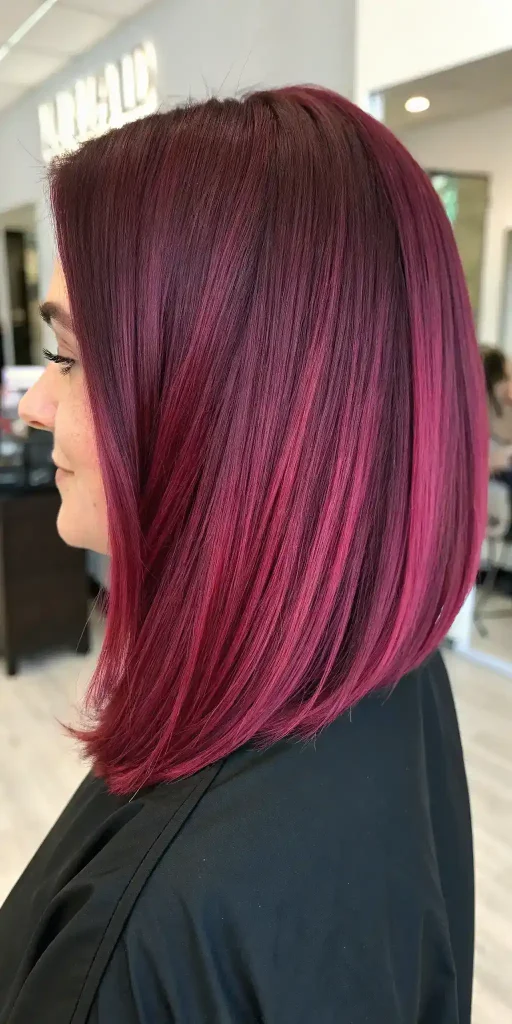
Bold, unapologetic, and impossible to ignore—magenta pink hair streaks on a burgundy base are for the main character in all of us. These aren’t delicate highlights; they’re statement-making ribbons of vibrant color.
Placement strategy:
- Thick face-framing streaks: Maximum impact, draws attention to facial features
- Money piece streaks: Two thick sections at the front, perfect for selfies
- Scattered throughout: More subtle but still impactful when hair moves
Personality match: If you’re the friend who always gets stopped for outfit pics, who matches their nails to their outfit, who curates playlists for specific moods—this is your color.
Styling for impact:
- Straightened hair shows the most definition in the streaks
- Half-up, half-down styles showcase both the burgundy and magenta
- Slicked-back ponytails make the face-framing streaks pop
The confidence factor: This look requires you to own it. There’s no blending into the background with magenta streaks. Pair with bold makeup or keep it minimal—either way, your hair is the statement piece.
| Maintenance Level | Touch-Up Frequency | Cost Range | Commitment Level |
|---|---|---|---|
| High | 3-4 weeks | $$$ | Full send |
Dark Red and Pink Ombre
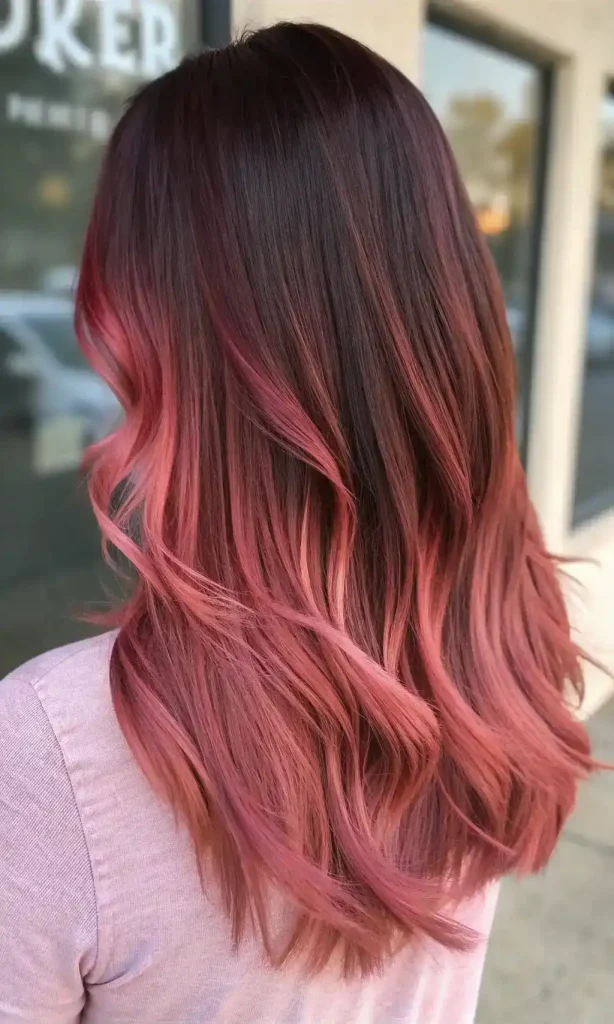
The dark red and pink hair combination is autumn personified. Start with a deep, almost burgundy-brown red at the roots and transition through various shades of red-pink until you reach a soft, dusty rose at the ends. This is the sophisticated older sister of the trend.
Seasonal perfection: This color combo literally matches fall foliage, making it perfect for September through November. But honestly? It looks incredible year-round.
Skin tone compatibility:
- Warm skin tones: Lean into the red-orange side of burgundy
- Cool skin tones: Choose a blue-based burgundy
- Neutral skin tones: Lucky you, everything works
Length recommendations: This ombre really shines on hair that’s at least shoulder-length so the full color transition is visible. On shorter hair, consider a more concentrated gradient or fewer transition shades.
Professional setting friendly: The darker roots and gradual transition make this one of the most workplace-appropriate versions of this trend. The pink at the ends can be tucked into a bun or ponytail if needed.
Styling sophistication: This color demands elevated styling. Think sleek blowouts, vintage waves, or polished updos. It’s giving old Hollywood glamour meets modern edge.
Reddish Pink Balayage
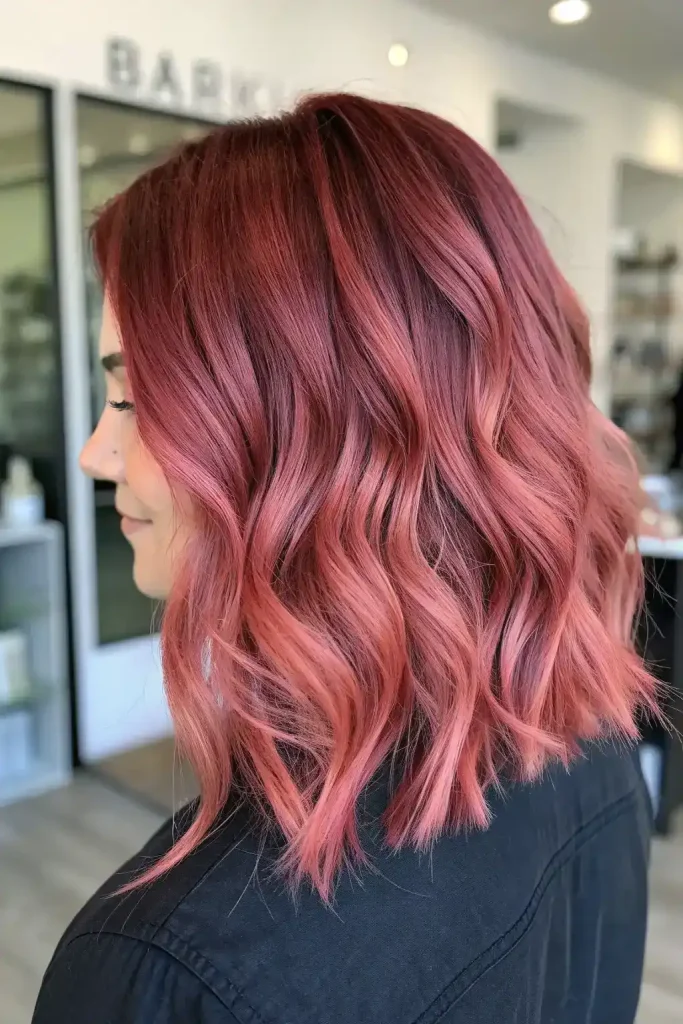
Reddish pink hair hits that sweet spot between bold and wearable. The balayage technique allows your colorist to hand-paint a custom blend of burgundy, red, and pink tones that look sun-kissed and natural (despite being anything but).
The balayage benefit: Unlike foiled highlights, balayage creates a softer, more gradual color transition. The result? Lower maintenance, more natural-looking grow-out, and dimension that looks expensive.
Customization options:
- Heavy on the red: More autumnal, warmer, pairs well with earth tones
- Heavy on the pink: More youthful, playful, perfect for spring/summer
- Balanced blend: The safest bet if you’re unsure
Face shape flattery: The strategically placed lighter pieces can be positioned to complement your face shape—around the cheekbones for round faces, at the crown for long faces, framing the jawline for square faces.
Texture enhancement: Balayage creates the illusion of texture and movement even on straight hair. On wavy or curly hair? Absolutely mesmerizing. Each curl catches light differently, showing off various tones.
Investment piece: Quality balayage isn’t cheap, but it lasts 3-4 months before needing a refresh. Think of it as an investment in feeling like the hottest version of yourself daily.
Red Hair with Pink Highlights
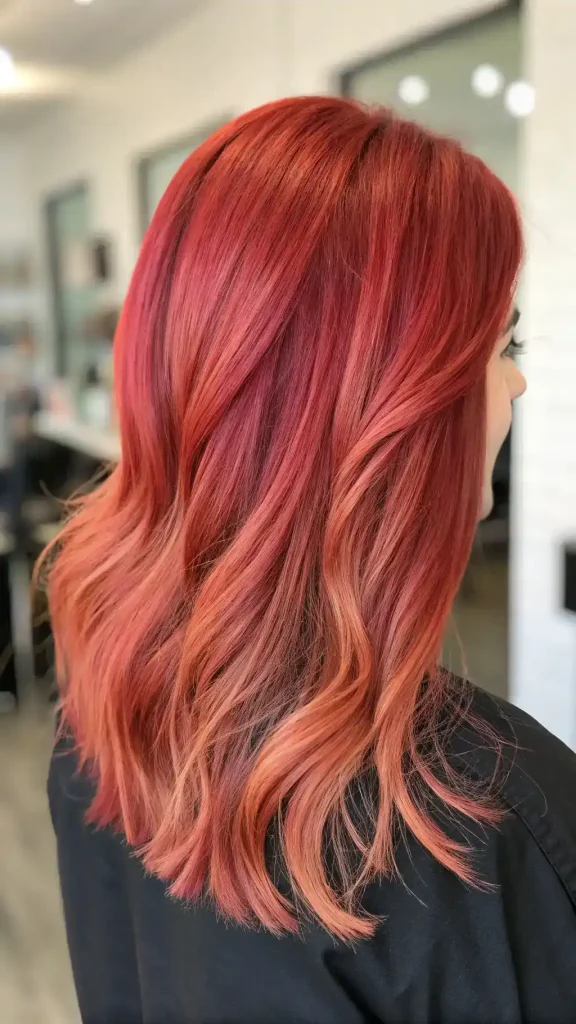
Sometimes simplicity wins. Red hair with pink highlights is the approachable entry point into this trend—familiar enough to feel comfortable but interesting enough to turn heads. Keep a vibrant red base and add soft pink highlights for contrast.
Highlight placement guide:
- Traditional highlights: Woven throughout for all-over dimension
- Babylights: Super fine, delicate highlights that mimic natural sun-lightening
- Ribbon highlights: Thicker, more visible sections that create bold contrast
Natural integration: If you’re already a redhead (natural or otherwise), adding pink highlights is a low-commitment way to experiment. The colors are closely related enough that even as they fade, they’ll blend nicely with your base.
Styling versatility: This combo works with literally any hairstyle—pixie cuts, bobs, long layers, whatever. The highlights add interest without requiring specific styling to look good.
Color coordination: Red and pink together mean you can wear both warm and cool tones in your wardrobe. Navy, forest green, cream, and black all look particularly stunning against this combo.
Maintenance reality: Red is notoriously fading-prone, and pink isn’t far behind. Budget for color-depositing shampoos, regular glosses, and using cool water when washing. Your future self will thank you.
Do Burgundy and Pink Go Together?
Real talk: when I first heard “burgundy and pink,” my brain immediately went to those questionable Valentine’s Day decorations from elementary school. But in hair color? They’re literally soulmates. Here’s why this combo works so incredibly well.
From a color theory perspective, both burgundy and pink share red as their foundation. Burgundy is essentially red mixed with purple or brown, while pink is red mixed with white. They’re color relatives, which means they naturally harmonize rather than clash. It’s like how siblings might look different but you can still tell they’re related.
The real magic happens in the contrast. Burgundy brings depth, sophistication, and richness—it’s the moody, mysterious energy. Pink brings lightness, playfulness, and brightness—it’s the fun, approachable energy. Together, they create a balanced look that’s neither too heavy nor too frivolous. You get to be serious and fun, mysterious and approachable. It’s giving complexity.
What Skin Tone Is Best for Burgundy and Pink Hair?
Here’s something refreshing: pretty much everyone can rock burgundy and pink hair. I know, I know—beauty articles love to tell you “this isn’t for your skin tone,” but this particular color combo is remarkably inclusive. The trick is customizing the specific shades and ratios to complement your undertones.
For warm undertones (golden, yellow, or peachy):
You’ll want to lean into burgundy shades that have red-orange or brown bases rather than purple-based burgundies. Think wine-red rather than purple-red. For the pink component, go with coral-pinks, salmon-pinks, or peachy-pinks rather than cool bubblegum shades. The warmth in these tones will harmonize with your natural coloring.
Celebrities with warm undertones who’ve nailed burgundy-pink combos include Rihanna (when she did her red-pink ombre phase) and Kylie Jenner (during her burgundy-rose gold era). The key is keeping the overall color temperature warm even when using cool colors.
For cool undertones (pink, red, or blue):
You’re in luck because cool-toned burgundies and pinks are everywhere. Opt for burgundies that lean purple or blue-based—think more wine-less rust. For pink, choose rose, mauve, or magenta shades. These will complement your natural coloring without creating harsh contrast.
Cool-toned celebrities killing this trend include Ariana Grande (during her pink-red moments) and Halsey (multiple burgundy-pink iterations). The cooler tones create a cohesive, intentional look that seems custom-designed for your complexion.
For neutral undertones (the unicorns among us):
You can genuinely pull off any variation of burgundy and pink. Seriously, the world is your oyster. Want warm-toned burgundy with cool-toned pink? Go for it. Want to mix it up depending on the season? You can do that too. Your superpower is versatility.
For deep skin tones:
Rich, saturated versions of burgundy and pink look absolutely stunning. Don’t shy away from intensity—your melanin provides contrast that makes vibrant colors pop in a way they simply can’t on lighter skin. Deep burgundy with hot pink or magenta creates a dimensional look that catches light beautifully. Think Megan Thee Stallion’s various red-pink moments—she understands the assignment.
The key for deeper skin tones is ensuring the colors are saturated enough to show up. Pastel or washed-out versions might not provide enough contrast. Go bold, go vibrant, and watch the compliments roll in.
For light skin tones:
You can go either direction—soft, romantic pastels or bold, saturated brights. Lighter skin provides a neutral canvas that shows color vibrancy clearly. The consideration here is warmth vs. coolness (as mentioned above) rather than intensity. Both subtle and dramatic versions work; it’s about matching your personal style.
For medium skin tones:
Often called olive or tan, medium skin tones typically have the most flexibility. You can pull off both the depth of darker shades and the vibrancy of brighter tones. Consider your specific undertones (warm vs. cool) as your primary guide, and don’t be afraid to experiment with different intensities.
The real secret:
Honestly? Confidence matters more than any color theory rulebook. I’ve seen people “break the rules” and look absolutely incredible because they owned it. Hair color should make you feel amazing. If you’re drawn to certain shades, that’s probably your intuition telling you something. Trust it, work with a skilled colorist who understands undertones, and rock whatever makes you feel most like yourself.
FAQs
Can I achieve burgundy and pink hair at home or should I go to a salon?
If you’re working with virgin hair (never colored) and want a simple all-over burgundy with pink undertones, a box dye adventure might work. But for anything involving balayage, ombre, highlights, or custom blending? Please, please go to a professional. These techniques require understanding color theory, proper sectioning, and knowing how long to process each area. The potential for disaster (banding, uneven color, fried ends) is high. Consider this: a salon correction costs 3-4x more than just getting it done right the first time. Save the DIY energy for maintaining your color at home with toners and glosses.
What’s the damage level for achieving this color combination?
I’m not gonna sugarcoat it—getting from dark hair to vibrant pink requires lifting (bleaching), which is inherently damaging. The burgundy is usually less damaging since it’s depositing color rather than lifting. Expect some level of dryness and texture change, especially on the pink sections. The damage level depends on your starting point (darker hair = more lifting = more damage), your hair’s current condition, and your colorist’s technique. Olaplex or similar bond-building treatments during the coloring process can minimize damage significantly. Post-color, invest in deep conditioning masks, leave-in treatments, and reduce heat styling. Damaged hair won’t hold color as well anyway, so treatment products are non-negotiable.
Can I swim or work out with burgundy and pink hair?
You can, but you’ll need to protect your color investment. Chlorine and salt water are enemies of fashion colors—they strip color and can turn pink shades weird peachy-orange tones. Before swimming, wet your hair with clean water and apply a leave-in conditioner or oil to create a barrier. Wear a swim cap if possible, or at least keep your hair in a bun. Rinse immediately after swimming and use a clarifying shampoo followed by a color-depositing mask. For workouts, sweat itself isn’t terrible for color, but washing your hair frequently is. Try dry shampoo between workouts, rinse with water only (no shampoo) when possible, or use a gentle co-wash. On shampoo days, use lukewarm or cool water—hot water opens the hair cuticle and lets color escape faster.
Final Thoughts
Do yourself a favor: screenshot your favorite looks from this article, send them to your stylist with the caption “let’s talk,” and book that consultation. Your future pink-and-burgundy-haired self is waiting, and trust me, she looks incredible. Pro tip—bring photos of what you don’t want too. Clear communication = color success.
And hey, if you’re nervous? Start small with some highlights or an ombre. You can always add more color, but you can’t unexperience the joy of catching your reflection and thinking “damn, I look good.” That feeling? Absolutely worth it.