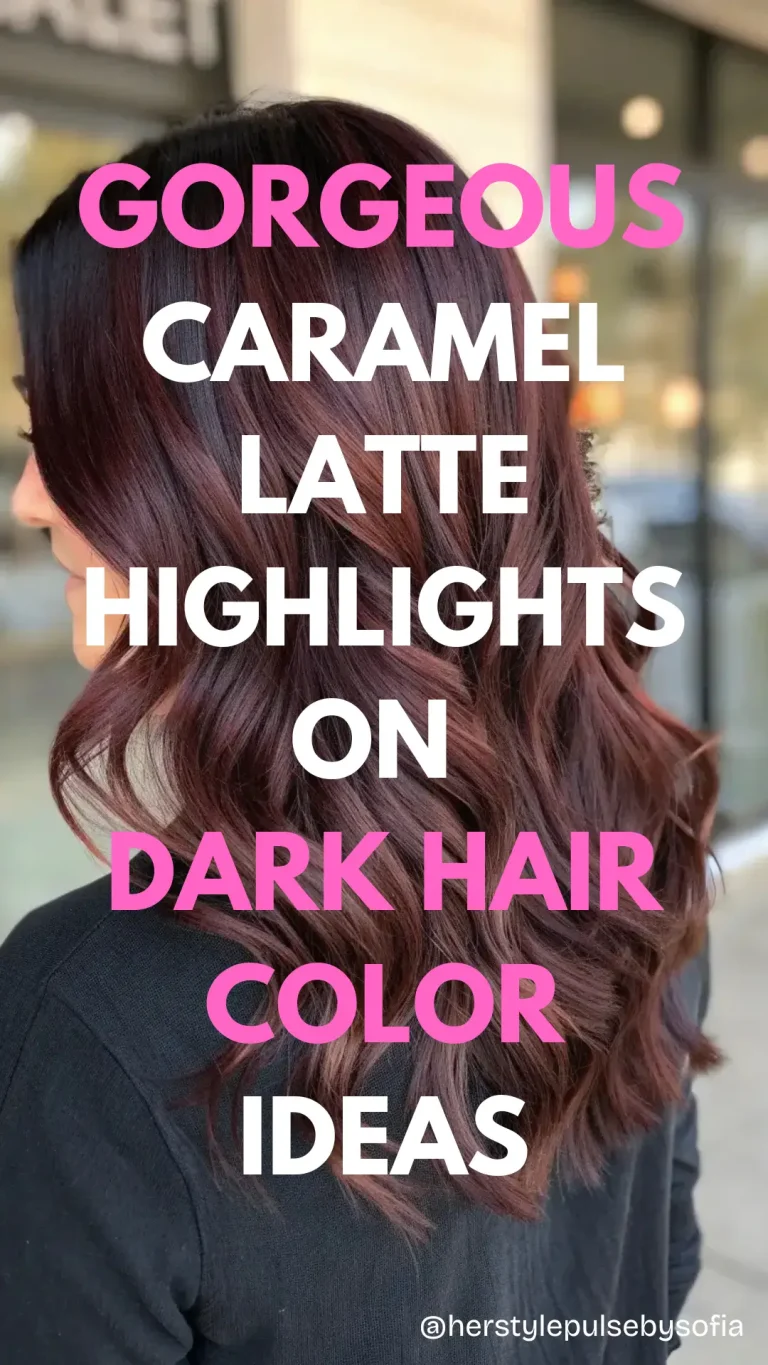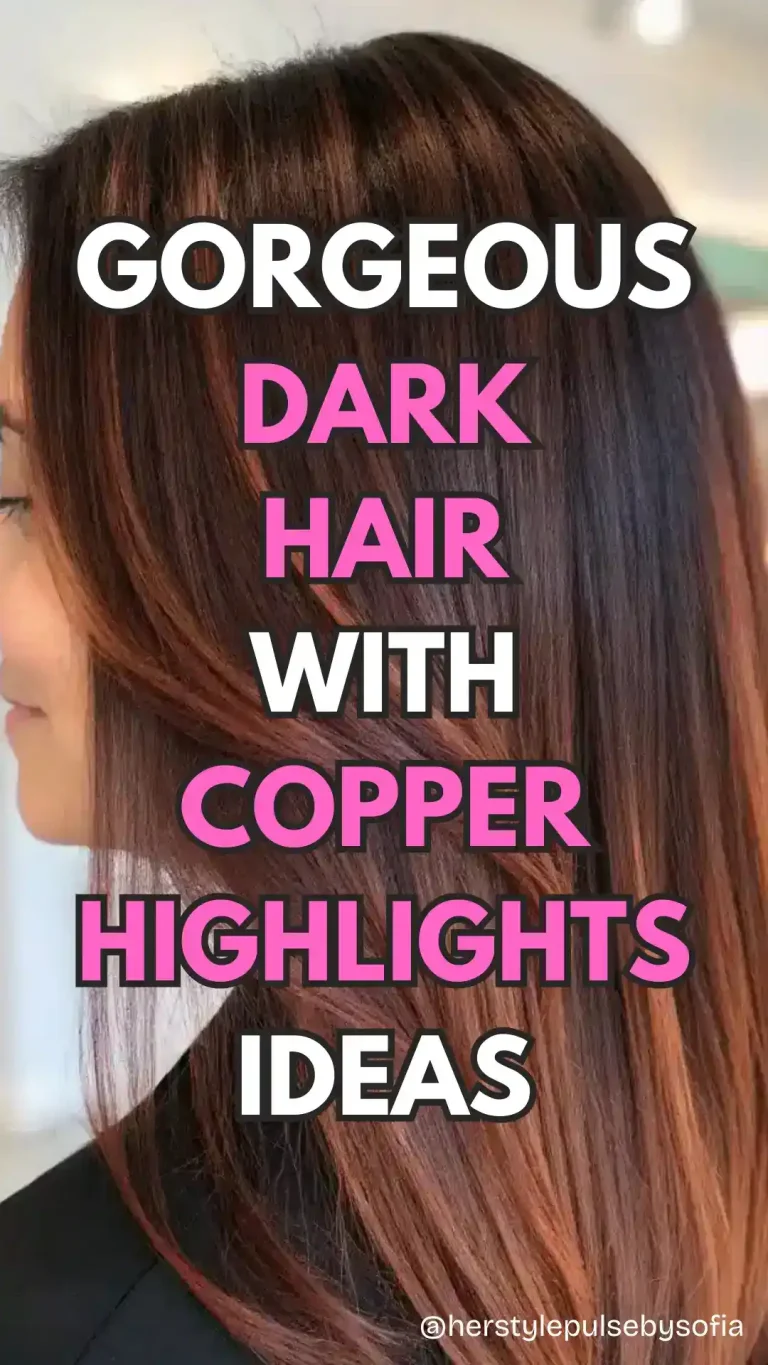
Imagine hair so rich it looks backlit even in a dimly lit bar. That’s what a perfectly executed dark auburn shadow root does: it keeps the depth of your natural brunette at the roots, then melts into spiced cinnamon, cherry-cola, or molten copper halfway down, so the color feels intentional instead of accidental.
No harsh lines. No weekly root panic. Just seamless, expensive-looking warmth that flatters cool undertones, warms up olive skin, and makes deep complexions glow like they’re lit from within.
From barely-there auburn whispers on long waves to bold copper-cherry ombré that photographs like liquid fire, these variations are the ones quietly dominating salon mood boards right now.
Real Quick – Readers on Pinterest are Smashing the SAVE button for the looks of Number 7 & 9 in this post.
Dark Auburn Hair Color with Shadow Root Ideas to Screenshot Right Now
Dark auburn with a shadow root isn’t “another fall trend.” It’s the quiet flex that turns ordinary brown hair into expensive-looking, light-drinking velvet (the kind that makes strangers stop you in the street and ask for your colorist’s name).
1. Copper Hair with Dark Roots Brown
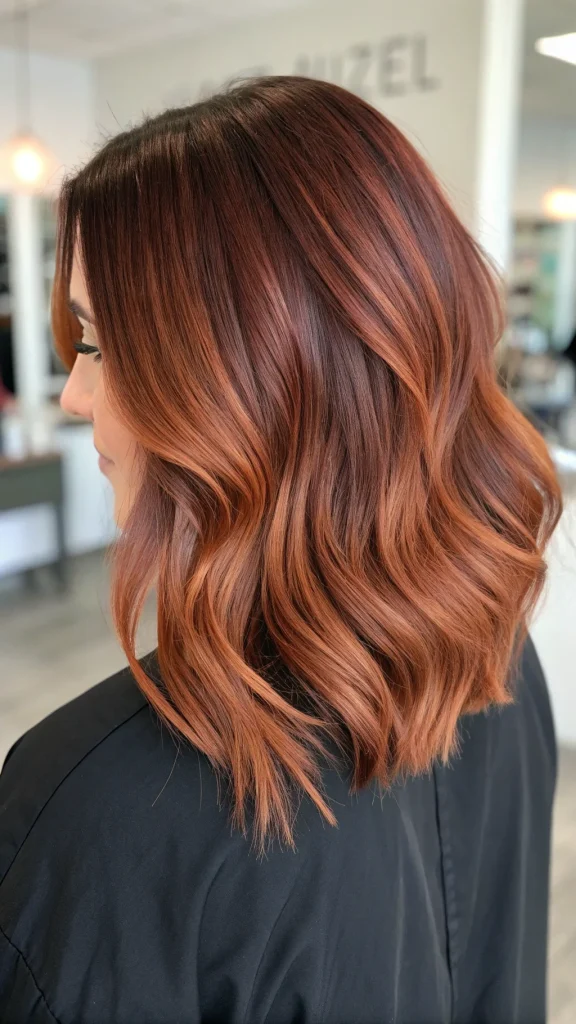
Here’s your entry point if you’ve been side-eyeing auburn but weren’t quite ready to commit. Starting with a deep brown or espresso shadow root and transitioning into warm copper creates this gorgeous depth that photographs like a dream. The darker base anchors everything while those copper sections catch light like you’re literally glowing.
Who it works for: This is perfect for oval and heart-shaped faces because the warmth draws attention to your cheekbones. If you’ve got long layers, even better—the color dimension shows off your hair’s movement.
Styling tip: When you’re rocking this look, loose waves are your best friend. They let the color variations shine through. Pair it with gold jewelry and warm-toned makeup, and you’re giving autumn goddess realness.
2. Auburn Lowlights in Brown Hair
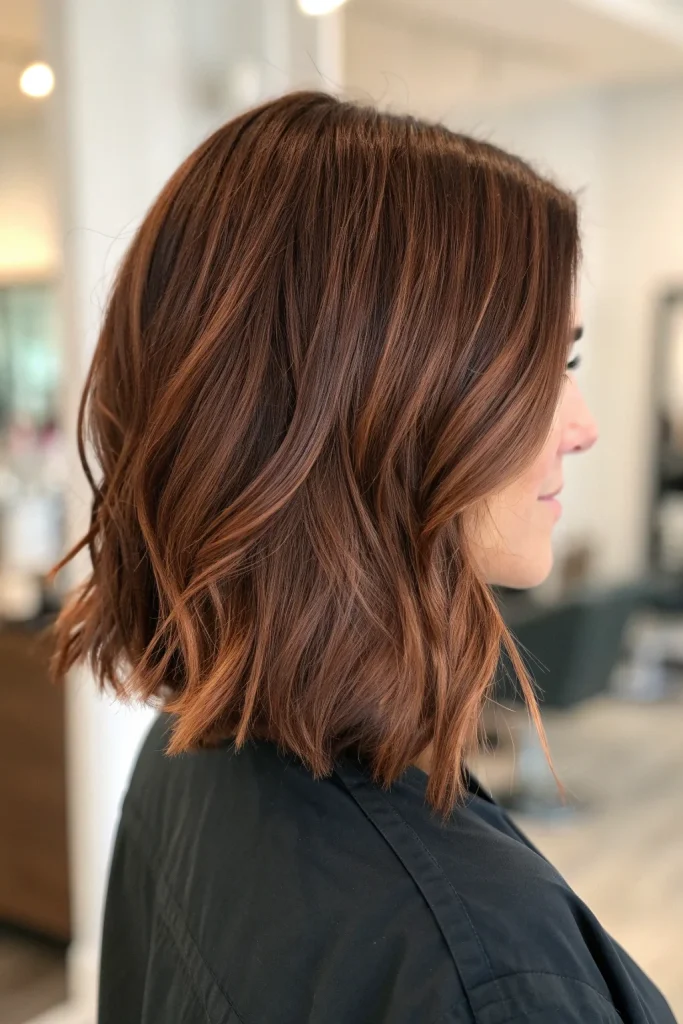
Not everyone wants to go full throttle into auburn territory, and that’s totally valid. Auburn lowlights woven through brown hair give you that warmth and dimension without the commitment of an all-over color change. Think of them as training wheels for your auburn journey.
The genius part? Lowlights actually add visual thickness to your hair. If you’ve been dealing with fine or thin hair, this technique creates shadow and depth that makes your hair look fuller. It’s basically a volume hack disguised as a color service.
Face shape consideration: This works across the board, but looks especially fire on square and round faces because the vertical lines of color create a lengthening effect.
Outfit pairings: Break out those chunky knit sweaters, leather jackets, and ankle boots. Auburn lowlights were literally made for fall fashion moments.
3. Dark Brown Hair with Copper Highlights
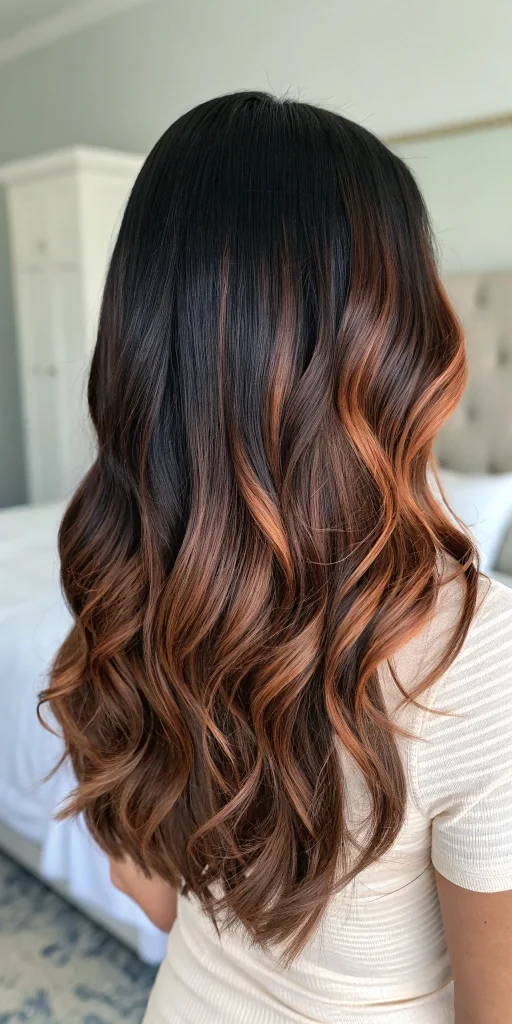
If you’re a brunette who wants to flirt with auburn without fully committing, this is your move. Keeping your dark brown base and adding strategic copper highlights throughout gives you dimension that looks natural during the day but comes alive under restaurant lighting or sunset golden hour.
This approach is sneaky good because it doesn’t drastically change your overall look—it enhances what you already have. You’re still recognizably brunette, just with this gorgeous warmth woven in.
Maintenance level: Super manageable. Since you’re working with highlights rather than an all-over color, your grow-out is forgiving. Touch-ups every 10-12 weeks? Totally doable.
4. Dark Copper Balayage Brunette
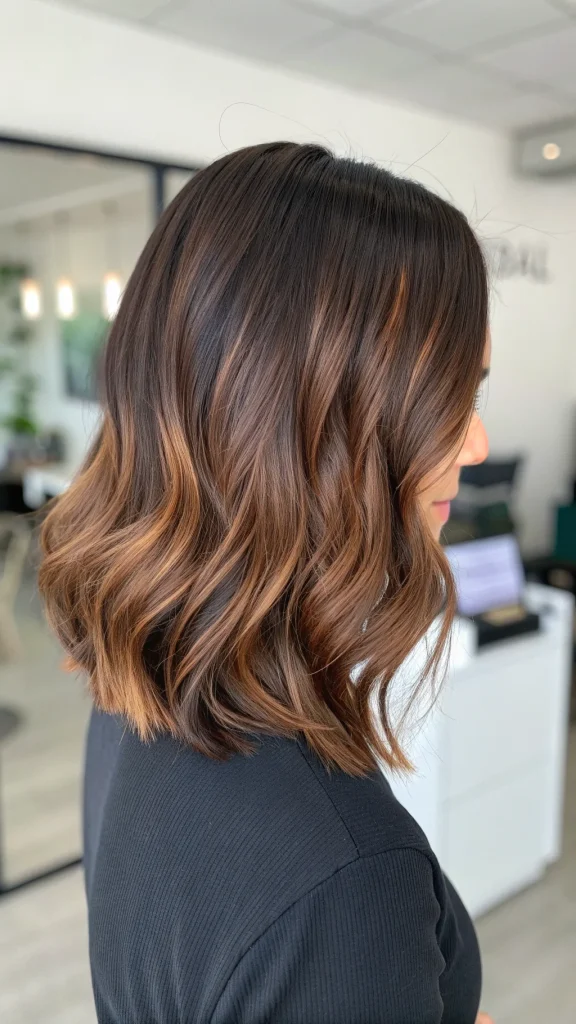
Balayage remains undefeated for a reason, and when you do it in dark copper tones over a brunette base? Obsessed. This gives you that effortlessly cool, I-just-got-back-from-a-cabin-in-the-woods vibe, except with fiery warmth instead of sun-bleached blonde.
The beauty of balayage is how customizable it is. Your colorist hand-paints the color, so you can go heavy on the copper or keep it subtle. Either way, you’re getting a multi-dimensional look that photographs beautifully and works with your natural texture.
Best length for this: Shoulder-length to long hair really shows off balayage technique. You need some length for the color gradient to develop properly.
Styling versatility: Wear it messy and textured for concerts and casual hangs, or blow it out smooth for work presentations and date nights.
5. Ginger Hair with Dark Roots
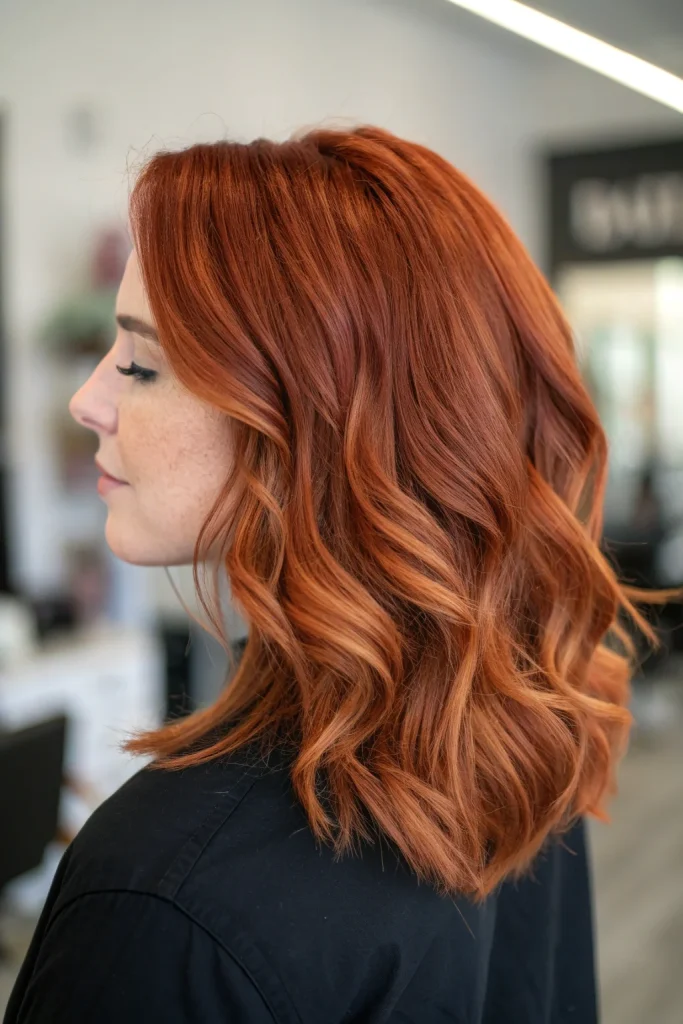
Ginger hair can sometimes look flat when it’s all one tone, but adding a deep shadow root? Game changer. The contrast between that rich, dark root and the vibrant ginger creates dimension and visual interest that single-process ginger just can’t match.
This combo is bold without being high-maintenance, which is honestly the sweet spot. Your roots growing in actually adds to the look instead of detracting from it. Revolutionary, really.
Personality match: This is for the confident, statement-making types who aren’t afraid to stand out. If your style leans eclectic or artistic, this color will feel like home.
Styling hack: Keep your waves loose and touchable. The movement lets both the dark roots and ginger tones catch light differently throughout the day.
6. Fall Auburn Hair Balayage
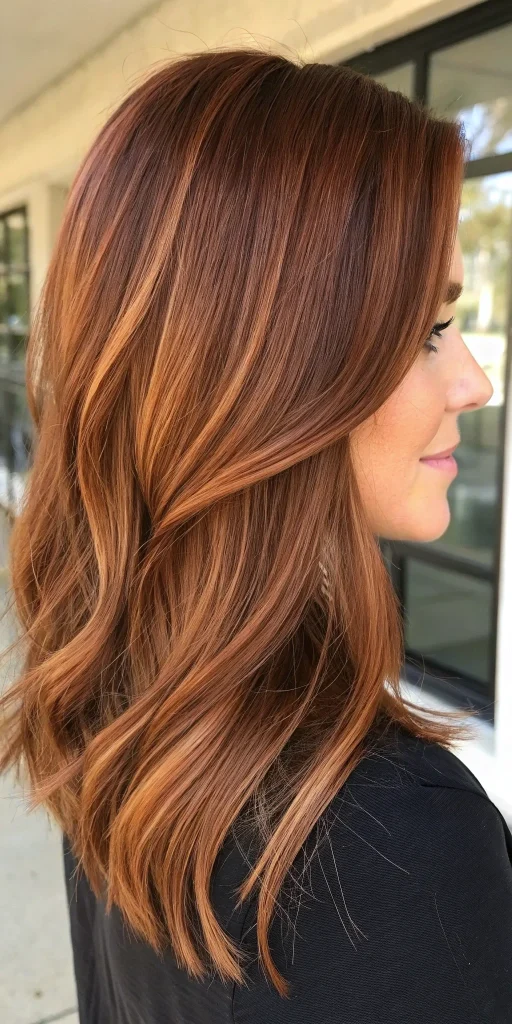
There’s something about mid-toned auburn balayage that just screams fall. It’s like pumpkin spice latte energy but make it hair. This isn’t too dark, not too bright—it’s that perfect middle ground that flatters literally everyone.
The real win with this shade is how beautifully it grows out. Because balayage starts a few inches from your roots anyway, you’re looking at months before you need a color refresh. And when you finally do, you can just add more dimension rather than fixing grown-out roots.
Universal flattery: Seriously, this works with every skin tone. Warm, cool, neutral—auburn adapts. It’s giving chameleon vibes.
Makeup pairing: Berry lips and gold jewelry are your accessories here. They complement without competing.
7. Auburn Ombre Hair
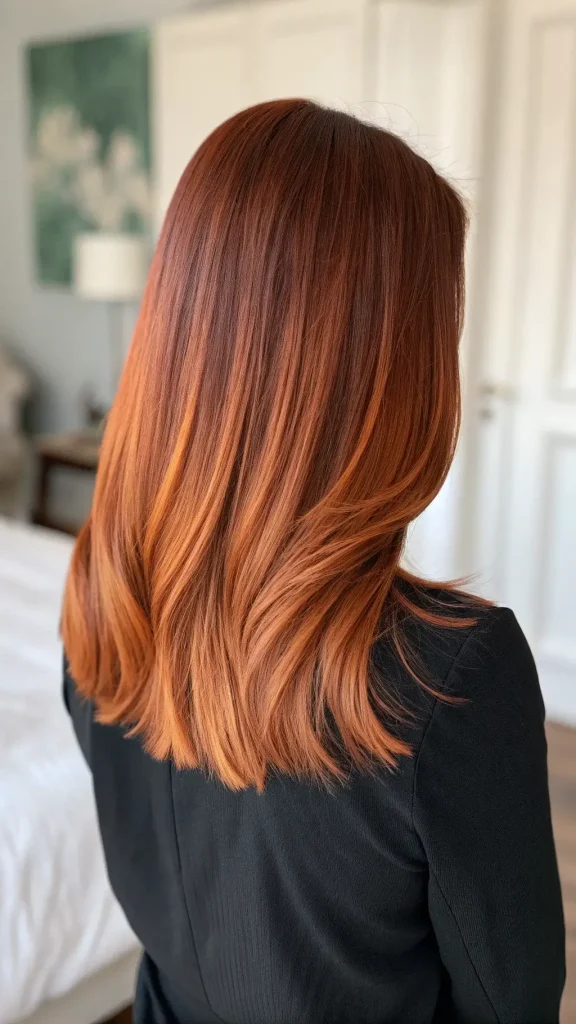
If subtlety isn’t your thing (no judgment—mine neither), auburn ombré delivers that high-impact gradient you’re craving. Dark roots dramatically fading into bright auburn ends creates this intentional, fashion-forward look that demands attention.
The key to making ombré work is proper blending in that middle section. You don’t want a harsh line—you want a smooth transition that looks like your hair naturally decided to be extra.
Ideal styling: Long, loose curls maximize the ombré effect by showing off the color journey. If curls aren’t your thing, a sleek straight style gives power executive energy.
Length requirement: Ombré really needs length to shine—think collarbone or longer to get that full gradient effect.
8. Light Auburn Balayage
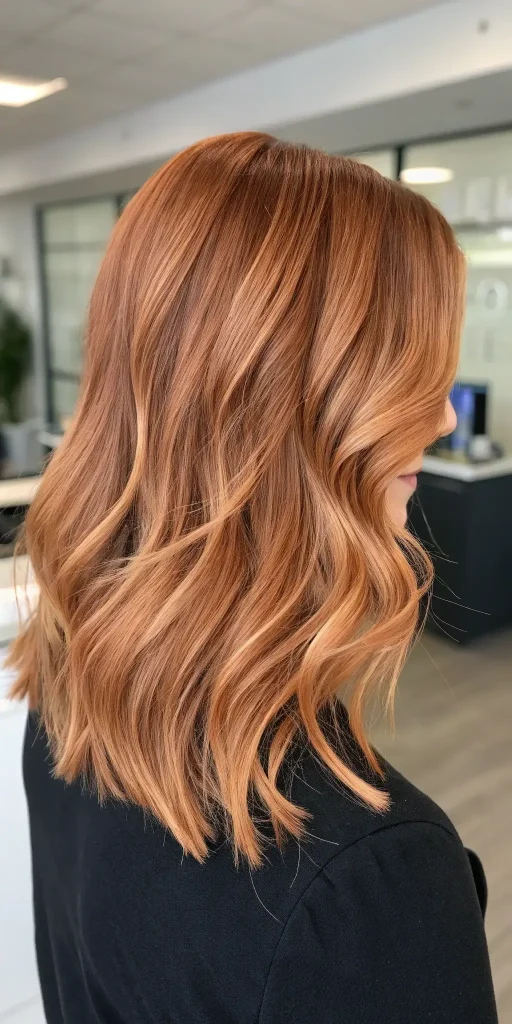
Not everyone wants high-drama hair, and that’s where light auburn balayage comes in. This is auburn’s softer, more romantic sister. It brings brightness and warmth without overwhelming your look.
This shade particularly flatters cooler skin tones because it adds warmth without going too orange or too red. It’s that perfect rose-gold-adjacent auburn that feels modern and fresh.
Styling aesthetic: Soft, loose waves styled with a curling iron (or heatless if that’s your vibe) give this color the dreamy, ethereal quality it deserves. Think romantic, Instagram-aesthetic vibes.
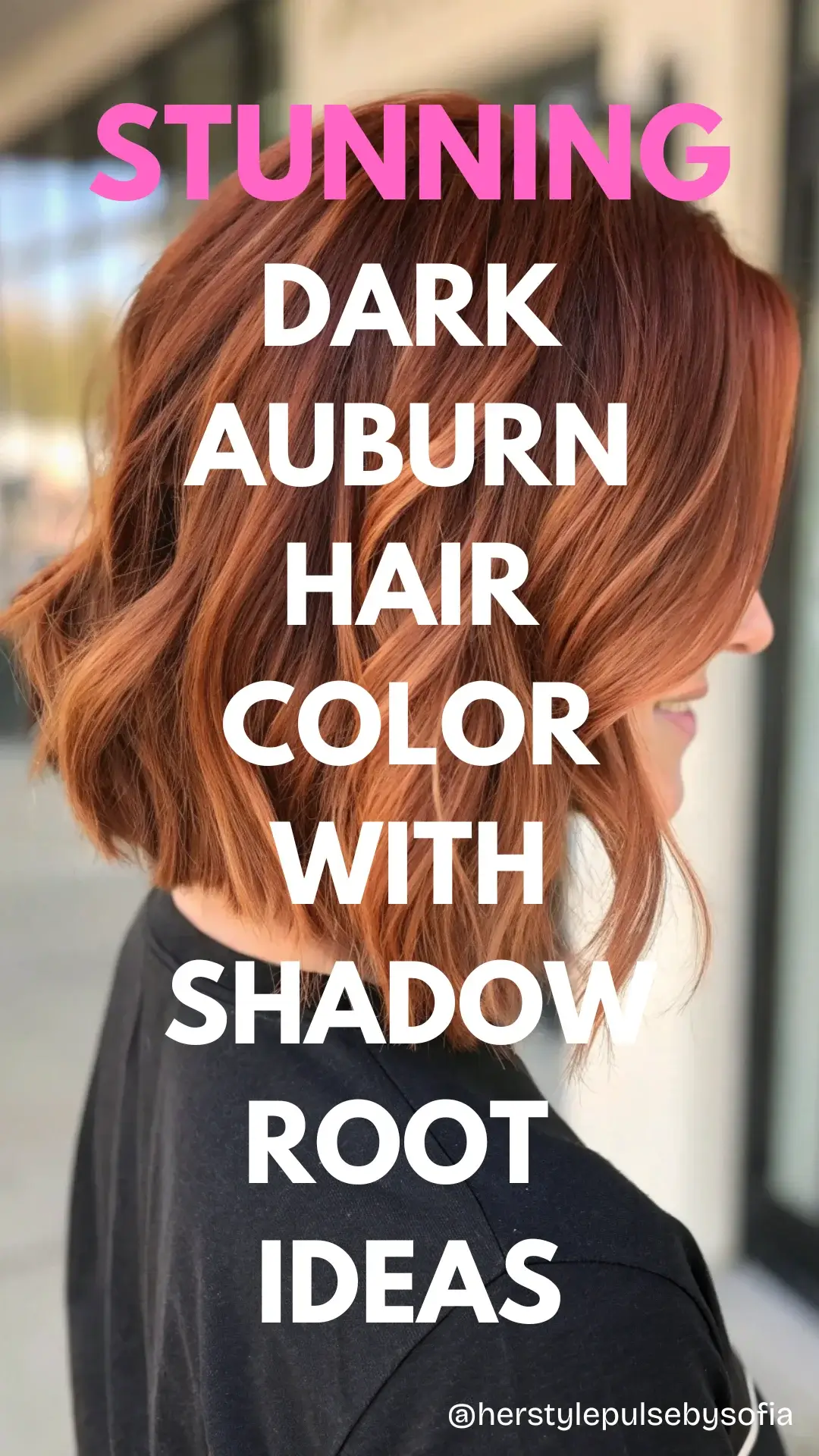
9. Auburn Copper Hair Balayage
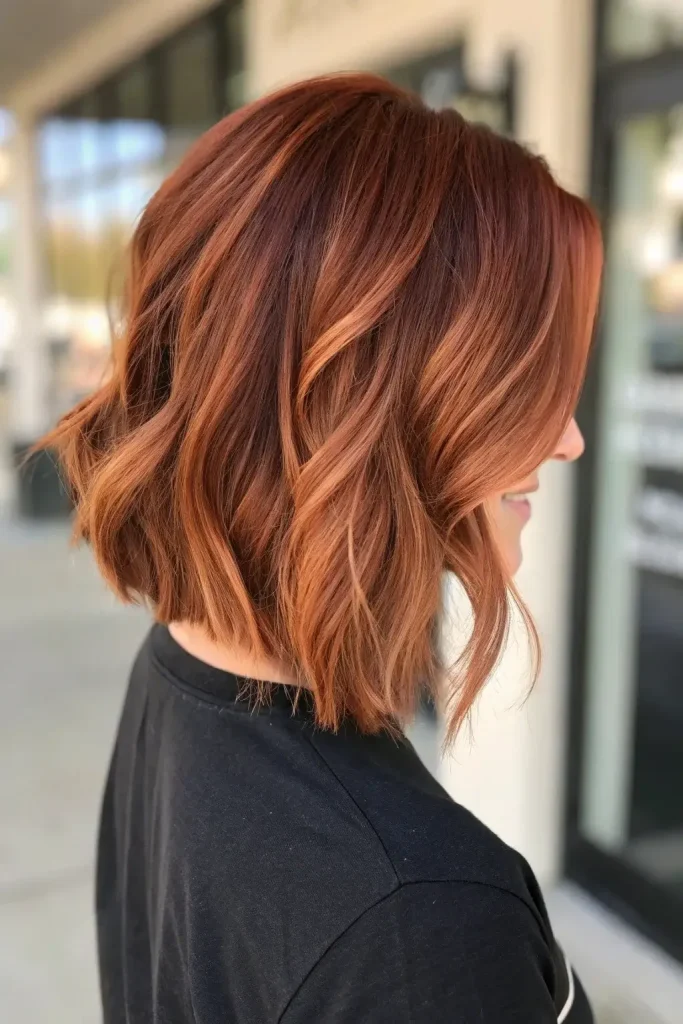
This variation layers warm copper tones into a rich auburn base, creating hair that literally looks like it’s glowing from within. It’s dimensional, it’s warm, and it photographs like absolute fire on Instagram.
If your closet is full of neutrals—beiges, blacks, grays—this hair color adds that perfect pop without clashing with anything. It becomes your statement piece.
Hair texture bonus: This looks stunning on both smooth lobs and long, flowing waves. The color dimension works with your hair’s natural movement, whatever that may be.
10. Bright Auburn Hair with Shadow Root
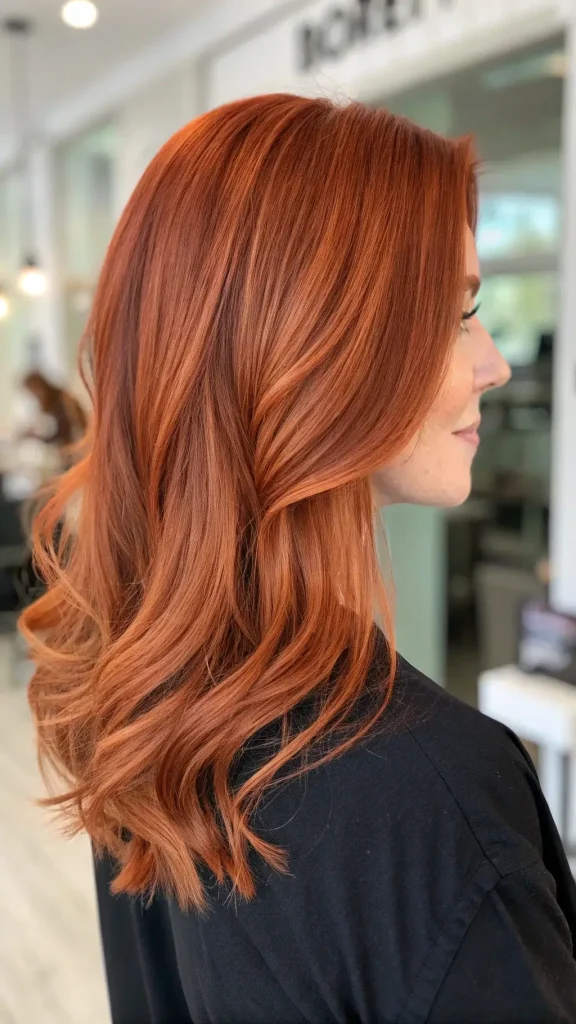
Go big or go home, right? Bright auburn—we’re talking fiery, orange-red brightness—paired with deep espresso shadow roots is the boldest take on this whole trend. This is for the maximalists, the risk-takers, the people who want their hair color to be a statement.
Fair warning: bright auburn requires upkeep. The vibrancy fades faster than darker tones, so you’ll need color-safe shampoo, regular glossing treatments, and probably some at-home color-depositing masks to keep that fire alive.
Best showcase: Long, glossy, healthy hair. If your hair is damaged or broken, focus on getting it healthy before going this bright. The color looks best when your hair is in its best condition.
Maintenance reality check: Stock up on purple or blue shampoo (depending on whether your auburn leans orange or red) and invest in a good hair mask. You’ll need it.
What Skin Tone Suits Dark Auburn Hair with Shadow Root?
Here’s the thing about auburn that might surprise you: it’s way more versatile than people think. The key is finding the right auburn for your specific skin tone, not avoiding auburn altogether.
Warm skin tones (golden, peachy, or olive undertones): You’re in luck—auburn is your natural BFF. Go for richer, copper-heavy auburns with golden undertones. Think warm copper, true auburn, or those gorgeous burnt orange-reds.
Cool skin tones (pink or blue undertones): Don’t let anyone tell you auburn isn’t for you. You just need auburn that leans more toward the burgundy or mahogany side—cooler reds with less orange. Light auburn with mauve undertones can be absolutely stunning on cool skin.
Neutral skin tones: Lucky you, basically any auburn shade will work. You can swing warm copper or cool burgundy-auburn depending on your mood. Test out a few shades in those virtual try-on apps if you’re unsure which direction feels most “you.”
Fair skin: Lighter auburn shades and copper tones look gorgeous without overwhelming your complexion. Shadow roots help anchor the color so it doesn’t wash you out.
Medium to tan skin: Rich, deep auburns look absolutely incredible. You can go bolder with your auburn because your skin tone can handle the intensity.
Deep skin tones: Go as bold as you want. Bright auburn, deep burgundy-auburn, copper with high shine—all of it looks phenomenal against deep skin. The contrast is chef’s kiss.
What Color Is Best for a Shadow Root?
Your shadow root color should basically be your hair’s supporting actor—it’s there to complement the auburn star, not compete with it. Here’s how to choose:
Dark brown to espresso: This is your go-to for most auburn shades. It’s neutral enough to work with warm coppers, cool burgundies, and everything in between. Plus, it looks natural as it grows out since most people’s natural roots trend darker anyway.
Black: If you have naturally black hair or want maximum contrast with bright auburn ends, go for it. This creates a dramatic look that’s super low-maintenance for grow-out but definitely makes a statement.
Medium brown: If your auburn is on the lighter side—think light copper or rose-gold auburn—a medium brown shadow root creates a softer, more gradual transition. This is perfect if you want a subtle look.
Match your natural root color: Honestly? This is the smartest move maintenance-wise. Using your natural root color as your shadow root means minimal upkeep and the most seamless grow-out possible. Work smarter, not harder.
The point of the shadow root is to create depth and make your life easier. Choose a shade that complements your auburn tones while being practical for your lifestyle.
How Many Levels Darker Should a Shadow Root Be?
Let’s talk hair color levels real quick. Hair color is measured on a scale from 1 (black) to 10 (lightest blonde). Understanding this helps you communicate with your stylist.
The sweet spot: Typically, your shadow root should be 2-3 levels darker than your auburn color. This creates visible dimension without looking harsh or overly contrasted.
For subtle looks: Go 1-2 levels darker. This gives you soft dimension that’s noticeable but not dramatic. Perfect if you want low-key auburn vibes.
For high-contrast looks: Go 3-4 levels darker. This creates that Instagram-worthy contrast between dark roots and vibrant auburn. It’s bold, it’s intentional, it’s fashion.
The blending zone: Here’s what really matters—how those levels are blended together. Even if your shadow root is 3-4 levels darker, proper blending in the transition zone (usually 2-4 inches from your roots) makes everything look cohesive rather than stripey.
Real talk: Your colorist will assess your starting point and your auburn goal, then calculate the right depth difference. If you’re going from natural dark brown (level 3-4) to medium auburn (level 6-7), that’s already 3-4 levels of difference. If you’re starting lighter, you might add a deeper shadow root to create that dimension.
Don’t get too caught up in the numbers—bring inspiration photos to your colorist and let them work their magic with the technical stuff.
Final Thoughts
Dark auburn hair with shadow roots isn’t just a trend—it’s a vibe, an aesthetic, a whole mood. Whether you’re easing in with subtle lowlights or diving headfirst into bright auburn territory, you’re making a statement that says “I know what looks good and I’m not afraid to own it.”
The beauty of this color combination is that it works for so many different lifestyles and maintenance preferences. Busy schedule? The shadow root grows out gracefully. Love switching up your style? Auburn plays well with both edgy and romantic looks. Worried about commitment? Start with highlights or balayage and build from there.
Screenshot your favorites, book that consultation, and remember—the best hair color is the one that makes you feel like the main character in your own life. Now go get that auburn glow and absolutely slay.